Why Choose LED Ribbon Lights for Global Projects?

Why Choose LED Ribbon Lights for Global Projects?

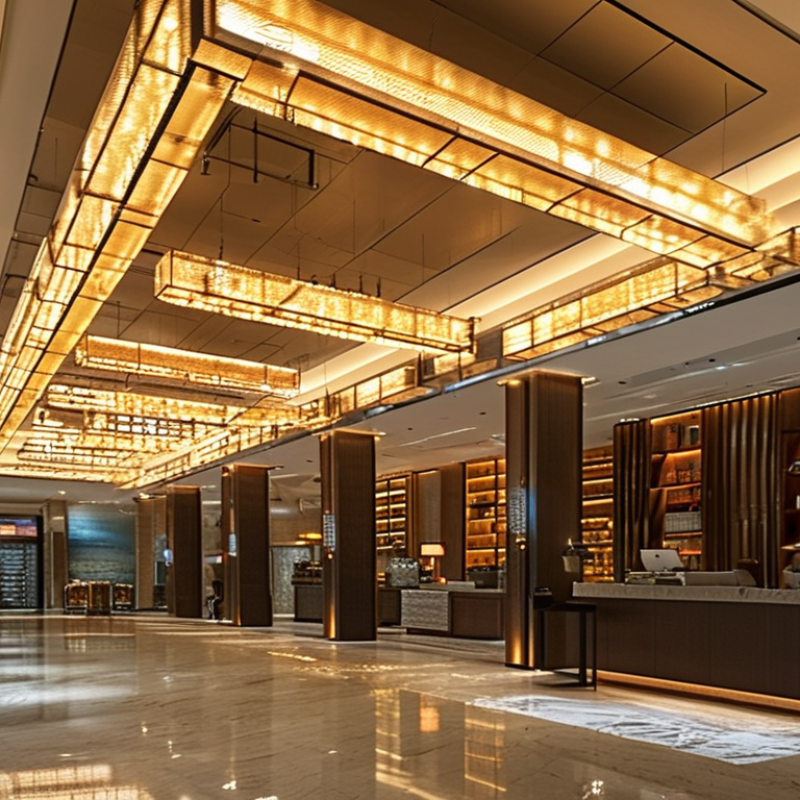
Global projects demand lighting that travels well from concept to installation. LED ribbon lights meet that challenge with flexible layouts, efficient energy use, and consistent visual performance. They can trace hotel ceilings, retail shelves, transport interiors, and architectural façades. A single project may cross several climates, voltage systems, and construction practices. That reality makes product selection more demanding.

Lighting specialist David Kersey explains, “A reliable strip begins with the installation plan, not the product box.” His point matters. Designers must confirm voltage, color temperature, ingress protection, heat dissipation, and control compatibility before ordering. A warm-white ribbon may create a welcoming lobby, while a higher-output version may suit a commercial display. Aluminum profiles can reduce heat buildup and improve the finished line of light. Small details become expensive problems when ignored.

Reliability matters most.

Experienced project teams also check regional certifications, replacement access, connector quality, and warranty support. These checks reduce delays when installers work across different supply chains. However, LED ribbon lights are not automatically suitable for every location. Poor ventilation can shorten service life. Incorrect dimming systems can cause flicker. Even a beautiful mock-up may fail under real operating conditions.

That is why global specifications should include testing samples, clear installation drawings, and documented performance data. A cautious approach may feel slower, but it protects budgets and reputations. The best choice is not simply the brightest product. It is the system that remains safe, maintainable, and visually consistent after the project is handed over.
Why Choose LED Ribbon Lights for Global Projects?

What Are LED Ribbon Lights?

Why Choose LED Ribbon Lights for Global Projects?

What Are LED Ribbon Lights?

LED ribbon lights are flexible circuit boards carrying small light-emitting diodes. They can bend around shelves, signs, ceilings, vehicles, and curved architectural details. Most versions use 12V or 24V direct current, with cut points marked along the strip. This makes installation adaptable, but every cut needs proper connectors or soldering. Small detail, big consequence.

The International Energy Agency reported in Energy Efficiency 2023 that lighting represents about 15% of global electricity consumption. The U.S. Department of Energy also estimates that LED lighting uses at least 75% less energy and lasts up to 25 times longer than incandescent lighting. These figures explain the interest in ribbon systems for international projects.

Still, efficiency alone does not guarantee success. Designers must check color rendering, voltage drop, heat dissipation, and local electrical requirements. A long strip may appear bright near the power supply, then visibly fade at the far end. That problem is common, and sometimes underestimated.

Tips: Select the voltage before ordering. Calculate total wattage, then add a safety margin. Use aluminum channels to manage heat and improve light diffusion. Choose an IP rating suitable for dust, moisture, or outdoor exposure. For global deployment, confirm testing documents, wiring methods, and installation rules with qualified local professionals. A beautiful prototype can fail in a hot ceiling. Temperature matters.

How LED Ribbon Lights Work in Global Applications

LED ribbon lights work through closely spaced light-emitting diodes mounted on a flexible circuit board. A low-voltage driver converts building power into controlled direct current. The circuit then distributes power along the strip. This compact design suits hotel corridors, retail shelving, transport interiors, and temporary exhibition spaces.

Their global value depends on measurable efficiency. The U.S. Department of Energy reports that LED lighting can use at least 75% less energy than incandescent lighting and last up to 25 times longer. The International Energy Agency estimates that lighting represents about 15% of global electricity consumption. For large projects, these figures make lower heat and reduced maintenance especially important. Dimming controls can also adjust brightness for daylight, occupancy, or local operating schedules.

Installation details remain less simple. Voltage drop can dim distant sections, so longer runs may need parallel power feeds. Heat removal matters, even when the strip feels cool. Dust, moisture, and cleaning chemicals require suitable protection ratings. A 24-volt system may be safer and more stable, but it still needs qualified installation and compliant power supplies. Field experience shows that attractive samples can hide weak adhesive, uneven color, or poor connectors. The design is not foolproof. Even a neat energy calculation can fail when installers ignore cable length, ambient temperature, or regional electrical requirements.

Key Benefits for International Projects

Why Choose LED Ribbon Lights for Global Projects?

Key Benefits for International Projects

International projects demand lighting that travels well, installs quickly, and performs consistently. LED ribbon lights support these needs with compact rolls, flexible mounting, and cut-to-length sections. They can follow curved counters, stair edges, exhibition frames, and architectural recesses. This reduces packaging volume and simplifies installation in sites with limited access.

Energy performance is another practical advantage. The U.S. Department of Energy reports that LED lighting uses at least 75% less energy than incandescent lighting and can last up to 25 times longer. For hotels, retail spaces, and transport facilities, that difference can reduce operating costs and replacement visits. The DOE’s 2023 Solid-State Lighting R&D Opportunities report also identifies higher efficacy and improved controls as major development priorities. That matters where energy prices and maintenance skills vary between regions.

Global use still requires careful engineering. Most ribbon systems need a compatible low-voltage driver, and local electrical standards must be checked before shipment. IP ratings, color temperature, connector types, and heat dissipation also affect performance. A 24-volt system may simplify distribution, but it is not automatically suitable for every installation. Field experience shows that poor aluminum mounting can shorten LED life, especially in hot climates. The International Energy Agency’s lighting efficiency analysis supports efficient LED adoption, but real savings depend on controls, operating hours, and correct installation. The technology is strong. The specification process cannot be rushed.

Choosing the Right LED Ribbon Light Specifications

For global projects, choosing the right LED ribbon light specifications matters more than selecting the brightest product. Start with voltage compatibility, usually 12V or 24V, and match the power supply to the project’s electrical system. A 24V system often reduces voltage drop across longer runs. However, it still needs careful cable sizing.

Check wattage per metre before installation. Multiply this figure by the total length, then add a practical safety margin. Do not rely on the power supply’s maximum rating. In commercial interiors, I usually allow extra capacity for heat, future extensions, and imperfect site conditions. The calculation may look simple, but rushed measurements cause expensive failures.

Color temperature should match the space. Warm white suits hospitality areas, while neutral white supports offices and retail displays. For accurate product colours, choose a high CRI specification. LED density also affects light uniformity, especially in shallow profiles. Select IP protection according to the environment, not the marketing description. Moisture-prone locations may require sealed construction, while dry indoor areas need less protection. Confirm cut intervals, dimming compatibility, bend direction, and connector quality before ordering.

Thermal management deserves attention. Aluminium profiles help protect performance and extend service life. Review operating temperature, certification documents, and regional electrical requirements with a qualified installer. I have seen attractive samples fail because the profile was too narrow. Specification sheets are useful, but they never replace a site test.

Installation, Safety, and Maintenance Considerations

Why Choose LED Ribbon Lights for Global Projects?

Installation, Safety, and Maintenance Considerations

LED ribbon lights suit global projects because they are lightweight, adaptable, and easy to position around architectural details. Yet installation quality matters more than appearance. Measure each run carefully before cutting. Use compatible power supplies with adequate capacity and stable output. Long runs may experience voltage drop, causing uneven brightness near the far end.

Keep connections secure and protected from moisture, dust, and accidental pulling. Indoor and outdoor locations require different enclosure ratings. Never place exposed connectors near condensation or standing water. A qualified electrician should verify wiring, grounding, insulation, and local electrical requirements. Test every section before sealing channels or closing access panels. Shortcuts fail.

Thermal management is often overlooked. Mount the ribbon on a clean, conductive surface, especially in warm areas. Excessive heat can reduce light quality and shorten service life. Leave access points for inspection and replacement. Maintenance teams should record installation dates, circuit layouts, power ratings, and visible damage. Check for flickering, loose connections, discoloration, and unusual heat during scheduled inspections.

Cleaning should use a soft, dry cloth unless the installation guidance permits a mild solution. Avoid sharp tools and aggressive chemicals. In large projects, spare sections and connectors can reduce repair delays. However, storing too many parts may create confusion. Clear labeling helps. I have seen maintenance plans fail because nobody recorded which circuit served each room. That small omission becomes expensive later.

Filter By