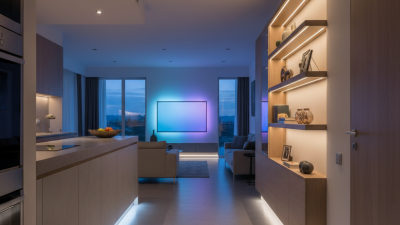
Why Choose LED Strips for Your Home Lighting Needs?
In recent years, LED strips have gained significant popularity in home lighting. According to Michael Green, a lighting design expert, “LED strips offer versatility and efficiency that traditional fixtures cannot match.” His insight underscores the growing trend of using LED strips to enhance indoor spaces.
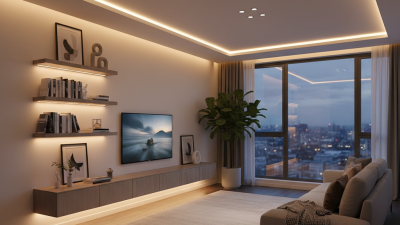
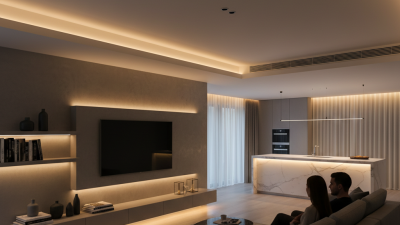
These flexible lighting solutions provide endless possibilities. They can illuminate shelves, highlight artwork, or create ambient lighting in any room. The energy efficiency of LED strips makes them a smart choice for homeowners. They consume less electricity and have a longer lifespan than conventional bulbs. However, selecting the right LED strips can be overwhelming given the variety available.
While the benefits are clear, some users find installation and compatibility challenging. Properly measuring and planning your lighting layout is essential. Without this, you might end up with mismatched colors or insufficient brightness. LED strips can transform spaces, but they require careful consideration to maximize their potential.
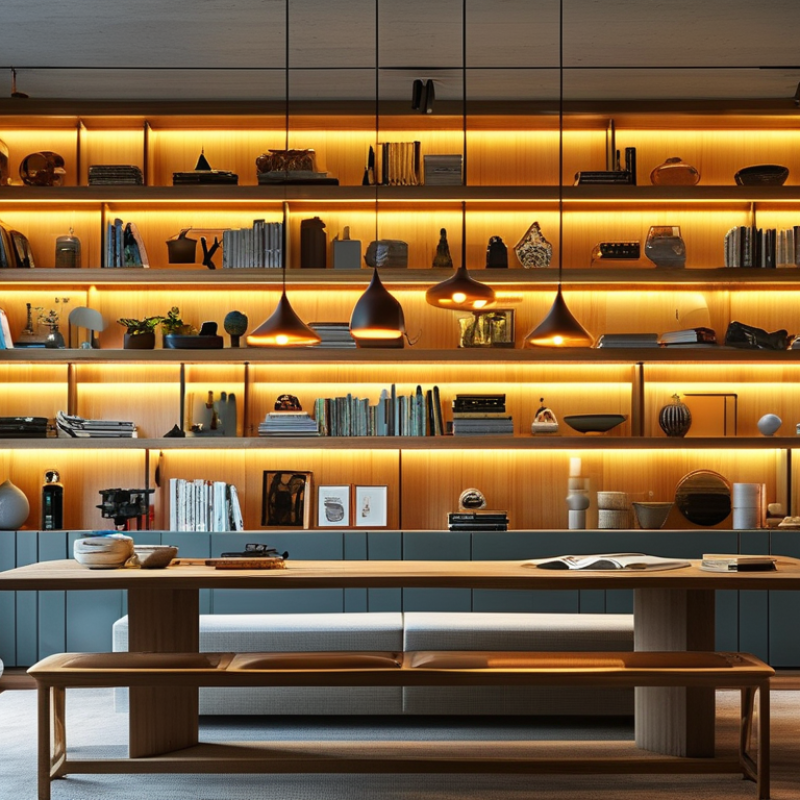
Advantages of LED Strips Over Traditional Lighting Options
LED strips have transformed home lighting. Their flexibility allows for creative designs in any space. Unlike traditional bulbs, they are thin and easily installed. You can place them under cabinets or along walls. This adaptability is a big plus.
Energy efficiency is a key advantage. LED strips consume significantly less energy than incandescent bulbs. They produce less heat too. This ensures a safer environment, reducing the risk of fire hazards. These strips can last up to 50,000 hours, minimizing replacement costs and waste.
However, the quality of light can vary. Some LED strips may emit a harsh, cold glow. Consider your specific lighting needs before making a decision. Dimmer options are available, but not all strips are compatible with dimmer switches. It’s essential to research the right types for your home.
Energy Efficiency: How LED Strips Reduce Electrical Consumption
When it comes to home lighting,
LED strips offer remarkable energy efficiency.
According to the U.S. Department of Energy, LEDs use at least 75% less energy than traditional incandescent bulbs.
This significant reduction in electrical consumption translates directly to savings on your monthly utility bills.
As families increasingly prioritize sustainability, switching to LED technology becomes a wise choice.
Consider this: an LED strip consumes just
5 to 20 watts, compared to
60 watts for conventional light bulbs.
This drastic difference makes LED strips ideal for various applications, from accent lighting to full room illumination.
Moreover, their lifespan can reach up to
25,000 hours, making them a long-lasting investment.
Tips:
Use LED strips in areas where you need dim lighting. For example, under cabinets or in coves works well.
Avoid overloading circuits, as this can lead to inefficiencies. Regularly check connections to ensure optimal performance and safety.
Embracing LED technology can enhance your home's aesthetic
while being kinder to the planet. Consider whether your current lighting solutions align with energy conservation goals.
Versatility in Design: Customizing Spaces with LED Strips
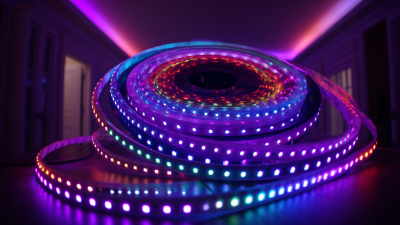
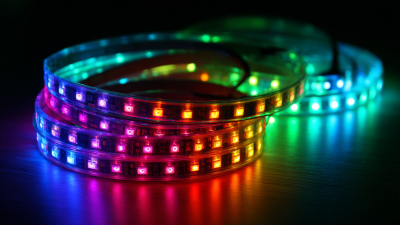
LED strips offer incredible versatility for home lighting. They can transform any space with ease. Whether under cabinets or along walls, these lights adjust to fit your unique style. Color options are plentiful, allowing you to create moods that reflect your personality. Dimming capabilities let you tailor brightness for any occasion, enhancing both functionality and aesthetic.
When using LED strips, consider layering your lighting. Combine different colors to create depth. Place warm tones for relaxation and cool tones for focus. This approach personalizes your environment. Experimenting can lead to delightful surprises. You may find joy in unexpected combinations that brighten your space.
Tips: Always measure your space before purchasing. Ensure compatibility with your existing fixtures. Think about your daily routines. Lighting can influence your mood, so choose wisely. Don't forget to test your designs in different lighting conditions. This helps to refine your choices and address any limitations in your initial design.
Easy Installation: Simplifying Home Lighting Upgrades
LED strips offer a modern approach to home lighting. They are known for their versatility and efficiency. One of the standout features is their easy installation. Many people find traditional fixture installation daunting. This is where LED strips shine.
You can stick them under cabinets, along staircases, or around ceilings. Installation often requires just a pair of scissors and adhesive tape. Some may worry about cutting the strips incorrectly. However, the clear cut marks guide you. Even if mistakes happen, LED strips are generally forgiving.
The design process also feels less intimidating with these strips. You can customize lengths and colors to fit your space perfectly. Combining different shades creates a unique ambiance, enhancing any room’s feel. Yet, it’s worth noting that some homeowners may struggle with choosing the right brightness. Evaluating the lighting needs of each room is essential. Balancing brightness with comfort can sometimes be a challenge. Experimentation often leads to the best results.
Why Choose LED Strips for Your Home Lighting Needs?
The following chart displays the benefits of using LED strips for home lighting compared to traditional lighting options. The data reflects user preferences and satisfaction levels based on energy efficiency, installation ease, longevity, and aesthetic appeal.
Longevity and Durability: The Long-Term Benefits of LED Strips
LED strips have gained popularity for home lighting, thanks to their longevity and durability. Studies show that LED lights can last up to 50,000 hours, significantly outpacing traditional bulbs, which typically last around 1,000 hours. This remarkable lifespan translates to fewer replacements, reducing waste and maintenance costs over time.
In terms of durability, LED strips are also more resilient. They are resistant to shock and vibrations, which makes them ideal for various home environments. According to reports, LED technology performs well in both indoor and outdoor settings. This versatility is an asset for homeowners looking to enhance their spaces with efficient lighting solutions. Reflecting on the reality of extended use, some users may find that LED strips require thoughtful installation to ensure optimal performance.
Energy efficiency is another factor to consider. LEDs consume up to 75% less energy compared to incandescent bulbs. For some households, this can lead to significant savings on electricity bills. Inadequate understanding of wattage and lumens, however, can lead to underwhelming brightness or poor lighting choices. Thorough research and planning are essential for successful integration into home design.
Why Choose LED Strips for Your Home Lighting Needs? - Longevity and Durability: The Long-Term Benefits of LED Strips
| Feature |
LED Strips |
Traditional Bulbs |
| Lifespan |
Up to 50,000 hours |
1,000 - 2,000 hours |
| Energy Efficiency |
Up to 90% more efficient |
Less efficient |
| Heat Emission |
Low |
High |
| Color Options |
Vast range including RGB |
Limited color options |
| Durability |
Resistant to breakage and vibration |
Fragile |
| Initial Cost |
Moderate |
Low |
| Long-Term Cost Savings |
High due to low energy use and longevity |
Low, but replaces often |