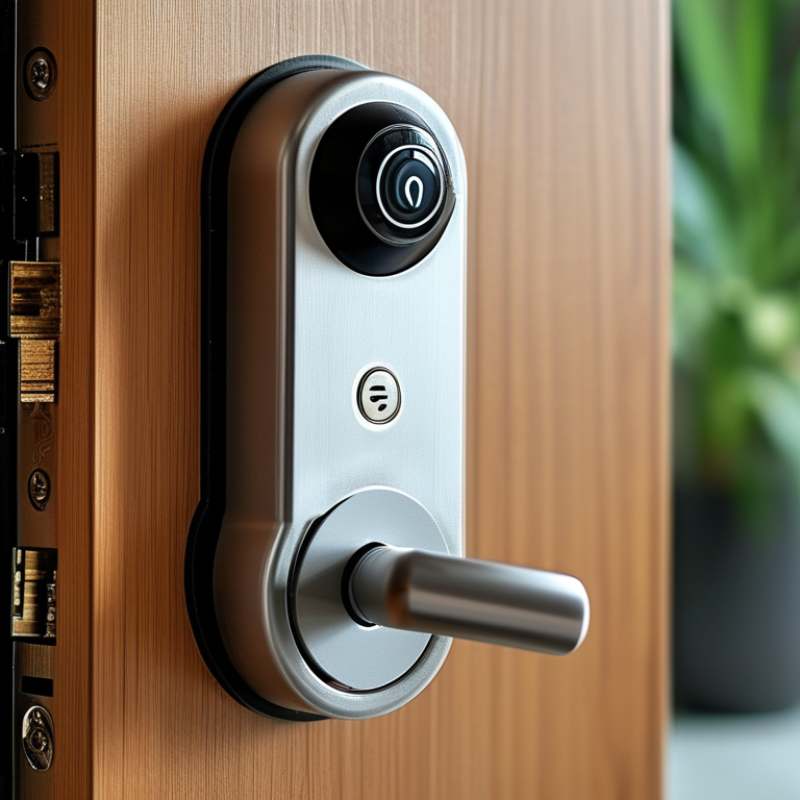
What is a Zigbee Door Lock and How Does It Work?
The Zigbee Door Lock is a modern solution for home security. This innovative device connects to your smart home system, enhancing convenience and safety. It uses Zigbee technology to communicate with other smart devices.
With a Zigbee Door Lock, you can unlock your door remotely or set temporary access for guests. This provides flexibility in managing access to your home. Many users appreciate the ability to monitor who enters and exits their homes.
However, some may question the reliability of smart locks. Issues like connectivity problems or battery life can arise. It's essential to weigh these concerns against the benefits of smart technology. Overall, a Zigbee Door Lock represents the future of secure, convenient home access.
What is Zigbee Technology and Its Applications in Smart Devices
Zigbee technology is a wireless communication standard designed for short-range, low-power applications. It focuses on connecting smart devices within a home or office. This makes it ideal for creating a reliable smart ecosystem. Zigbee operates on the IEEE 802.15.4 standard, which allows devices to communicate efficiently using minimal energy.
One of the key strengths of Zigbee technology lies in its mesh networking capabilities. In a Zigbee network, devices can communicate directly with each other, even if they are not in a direct line of sight. This enhances reliability and expands the range of communication. As devices pass messages along, the entire system becomes more robust. However, setting up and maintaining these networks can be challenging. It requires careful planning to ensure devices are properly configured.
Zigbee is widely used in various smart applications. It is found in smart lighting systems, security devices, and even energy management tools. Many home automation solutions now integrate Zigbee for seamless communication. Despite its capabilities, it’s important to acknowledge potential drawbacks. For example, interference from other devices may disrupt communication. Users should understand these limitations when investing in Zigbee technology.
Understanding the Components of a Zigbee Door Lock
Zigbee door locks are at the forefront of smart home technology. They utilize the Zigbee wireless protocol, known for its low power consumption and robust connectivity. The main components of a Zigbee door lock include a locking mechanism, a Zigbee radio module, and a power supply. These elements work together to provide a secure method of controlling access to homes.
The locking mechanism can vary. Some locks use deadbolts, while others might use latch types. This diversity allows consumers to choose based on their security needs. The Zigbee module enables the door lock to communicate with other smart devices in the home. Reports indicate that Zigbee devices represent a significant portion of the global IoT market, projected to reach $1.1 trillion by 2026. This underscores the viability of Zigbee as a communication standard in smart homes.
The power supply is crucial, as many locks operate on batteries. Users often underestimate how often they need to replace these batteries. This oversight can lead to a frustrating experience. Regular maintenance checks can help ensure that devices operate smoothly. As the market grows, designers are also challenged to create more energy-efficient locks that minimize user intervention. These components collectively contribute to the functionality and security of Zigbee door locks in today’s smart living environments.
Zigbee Door Lock Usage Statistics
This chart represents the percentage of homeowners who use Zigbee door locks compared to other smart door lock technologies in 2023.
How a Zigbee Door Lock Communicates with Smart Home Systems
Zigbee door locks are smart devices that enhance home security through seamless communication with smart home systems. These locks utilize Zigbee, a low-power, wireless protocol designed for short-range communication. When installed, they connect to a hub or gateway, forming a network with other smart devices. This connection allows users to control the lock remotely using a smartphone, tablet, or voice assistant.
The communication process is straightforward yet fascinating. When you send a command to lock or unlock the door, the signal travels through the Zigbee network. This signal is encrypted, ensuring that unauthorized users cannot intercept it. Feedback is instant; you receive a notification confirming whether the door is locked or unlocked. However, the reliability of this communication can sometimes be questionable. Factors such as distance from the hub and interference from other devices may cause delays or failures.
Zigbee's ability to mesh expands its functionality. The more devices in your network, the stronger the connection becomes. But there is a trade-off. More devices may also create more potential points of failure. Users must regularly maintain their network for optimal performance. Understanding these nuances is key to maximizing the benefits of a Zigbee door lock system in your smart home.
Features and Benefits of Using a Zigbee Door Lock
Zigbee door locks are gaining popularity for their advanced security features. These locks connect to a Zigbee network, often used in smart home automation. According to a report by MarketsandMarkets, the smart lock market is expected to grow by 26% from 2023 to 2028. This trend reflects the increasing demand for security solutions.
One significant benefit is remote access. Users can lock or unlock their doors from anywhere via a smartphone app. This feature adds convenience for homeowners, especially when they need to grant access to guests. A study from IHS Markit indicates that over 60% of consumers value remote access when considering a smart lock.
Zigbee locks also consume less power compared to Wi-Fi models. They can run on battery for months, reducing the need for frequent replacements. However, some users report connectivity issues in larger homes. This limitation can lead to frustration, particularly if the network setup is not optimized. Balancing ease of use with reliability is an area for improvement in the industry.
What is a Zigbee Door Lock and How Does It Work? - Features and Benefits of Using a Zigbee Door Lock
| Feature | Description | Benefits |
| Remote Control | Allows unlocking and locking the door from a distance using a smartphone or tablet. | Convenience and enhanced accessibility for homeowners. |
| Automatic Locking | Can automatically lock the door after a predetermined time. | Increases security by reducing the chance of leaving the door unlocked. |
| User Access Management | Lets you add or revoke user access easily via an app. | Enhanced control over who can enter your home. |
| Zigbee Protocol | Utilizes Zigbee technology for reliable, low-power communication. | Improved battery life and stability in connections compared to Wi-Fi. |
| Integration with Smart Home Systems | Can be connected to existing smart home devices like alarms or lights. | Enhances home automation and security measures. |
| Battery Backup | Operates on battery power in case of electrical failure. | Ensures functionality during power outages. |
Installation and Setup of a Zigbee Door Lock in Your Home
Installing a Zigbee door lock can enhance the security of your home. It connects to your smart home system, allowing remote access. To begin the setup, ensure your Zigbee hub is installed and functioning correctly. A stable Wi-Fi connection is essential for smooth operation. Follow the manufacturer’s instructions closely during installation.
When mounting the lock, make sure it aligns properly with the door frame. Improper alignment can lead to functional issues. Secure all screws tightly, but avoid over-tightening, which might damage the lock. It’s also important to check battery levels before completing the install. Low batteries may result in missed notifications or lock failures.
Tips for a successful setup: Test the lock several times to ensure its reliability. Regularly update the firmware of your Zigbee devices. This helps prevent security vulnerabilities. Remember, not all locks fit all doors. If you face issues, consult with a professional. They can assist with complicated installations and troubleshoot any problems. Taking these steps seriously will secure your home effectively.