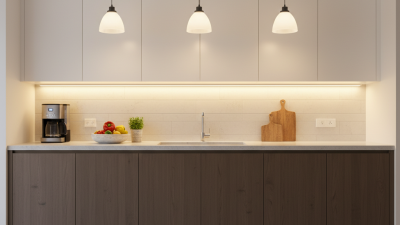
Top Tips for Choosing the Best LED Channel Options?
Choosing the right LED channel is essential for effective lighting solutions. LED channels protect the lights and enhance their visual appeal. They come in various styles and materials, making the selection process crucial for your project.
When considering LED channels, think about the application. Different spaces have unique lighting needs. For instance, a kitchen might require bright, focused light, while a living room could benefit from softer illumination. Take note of the size and shape of the channel as well. Improper size can lead to issues like overheating or reduced effectiveness.
Reflect on your design goals. Do you want something modern and sleek? Or maybe a more traditional look fits better? Each choice impacts the overall aesthetics. Remember, not every LED channel will suit every space. Trust your instincts, and don’t shy away from seeking expert advice if needed. Choosing the right LED channel can transform your environment, so it's worth spending the time to find the best option.
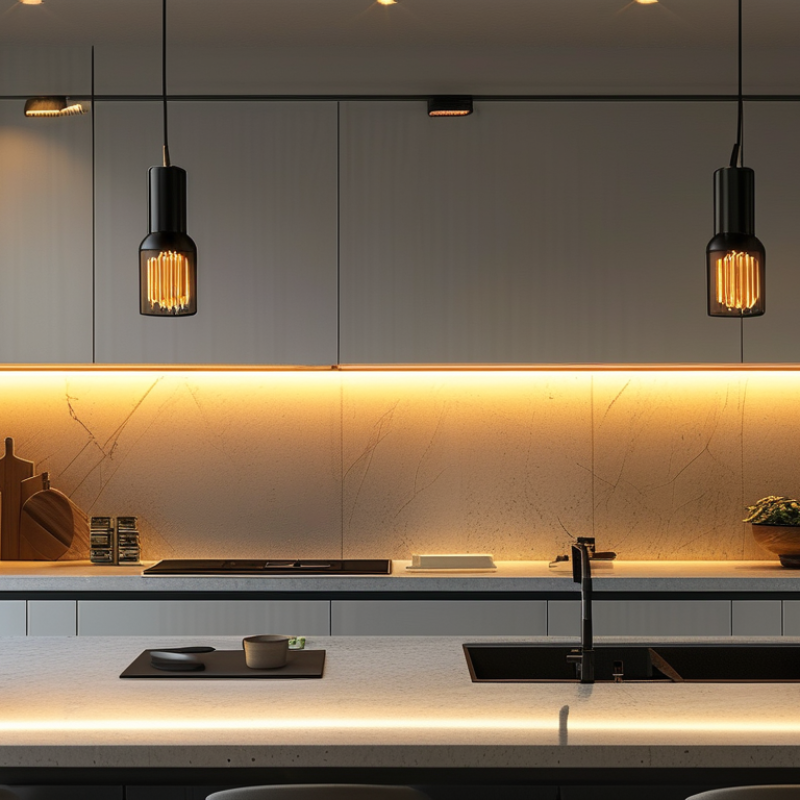
Understanding LED Channels: Types and Uses
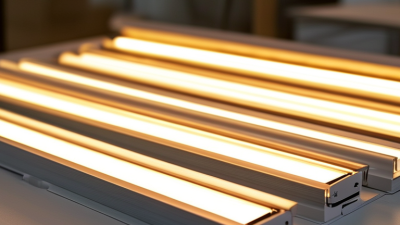
When selecting LED channels, understanding the types and their specific uses is crucial. LED channels are integral for protecting and enhancing LED strip lights. They come in various shapes, sizes, and materials, which influence performance and aesthetic appeal. For instance, aluminum channels are popular due to their excellent thermal conductivity, which can improve the lifespan of LEDs by preventing overheating.
In a recent industry report, it was noted that the LED lighting market is projected to grow significantly, driven by advancements in lighting technology. This includes the versatility of LED channels, which can serve applications ranging from residential to commercial spaces. Choosing the right channel involves considering factors such as location, desired brightness, and design preference.
One strategy is to evaluate whether a channel provides sufficient protection for your LEDs in moisture-prone areas. Another consideration is the diffusion of light, which impacts the overall ambiance. A clear channel may provide a more direct light, while a frosted option can create a softer glow. Both choices come with advantages and drawbacks, making careful evaluation necessary. Think about how each type aligns with your project goals.
Key Factors to Consider When Choosing LED Channels
When selecting LED channels, several critical factors come into play. The type of project you are working on significantly influences your choice. Consider whether the channels will be used for accent lighting, task lighting, or general illumination. Each application may require different channel sizes and shapes. Understanding the environment is also essential; wet or humid areas might need channels with specific features.
Another important aspect is the installation process. Some channels are easier to install than others. Look for options that come with clear instructions and necessary accessories. This can save valuable time and effort during setup. The quality of the materials used in the channels is equally vital. Durable and corrosion-resistant materials typically enhance the longevity and performance of your LED channels.
Finally, think about the aesthetics. Different finishes and designs can complement the overall look of your space. It’s easy to overlook this factor when focusing solely on functionality. Each choice comes with a trade-off. Balancing performance and style may take careful consideration. Evaluate your options thoroughly for the best results.
Evaluating LED Channel Materials for Longevity and Performance
When selecting LED channel materials, longevity and performance are paramount. The right materials significantly impact the overall lifespan of the LED installation. Research indicates that aluminum channels outperform plastic ones in terms of heat dissipation. Effective heat management extends the lifespan of LED lights, which can last up to 50,000 hours under optimal conditions. According to a report by the Department of Energy, high-quality aluminum extrusions can enhance performance by maintaining consistent brightness over time.
Additionally, UV resistance is crucial for outdoor applications. Channels that use polycarbonate or specialized coatings can withstand prolonged exposure to sunlight without degrading. This is essential for installations where aesthetics matter. A study released by the International Association of Lighting Designers highlights that materials which resist discoloration and brittleness can reduce maintenance costs significantly.
However, not all LED channels meet these criteria. Testing reports reveal inconsistencies in material quality among manufacturers. Some channels may break down prematurely, leading to increased replacements. It's essential to assess the specifications and gather insights from industry professionals before making a choice. Selecting the right materials can pave the way for safer, more efficient lighting solutions.
Top Tips for Choosing the Best LED Channel Options
| Material |
Durability |
Heat Resistance |
Weight |
Price |
| Aluminum |
High |
Excellent |
Lightweight |
$$$ |
| Plastic |
Moderate |
Fair |
Lightweight |
$ |
| Stainless Steel |
Very High |
Excellent |
Moderate |
$$$$ |
| Acrylic |
Moderate |
Good |
Lightweight |
$$ |
| Polycarbonate |
High |
Good |
Lightweight |
$$$ |
Comparing Costs: Budget-Friendly vs. High-End LED Channel Options
When exploring LED channel options, cost is a major factor. Budget-friendly choices often use simpler materials. They can adequately illuminate spaces at a lower price point. However, these options may compromise on quality. Light output, durability, and aesthetics can fall short. Buyers might find themselves replacing them sooner than expected.
On the higher end, premium LED channels often offer superior materials and designs. These options excel in longevity and performance. They provide consistent brightness and can enhance the overall look of a space. However, the price can be a barrier. It's essential to weigh the initial investment against potential long-term savings. Sometimes, spending more upfront is a wiser choice.
Choosing the right option requires careful reflection. Consider the intended use and environment for the LED channels. A less expensive option may seem appealing but could lead to disappointment later. Investing in quality can result in better performance and satisfaction. Ultimately, balancing cost with quality is crucial in making a well-informed decision.
Installation Tips for Maximizing LED Channel Effectiveness
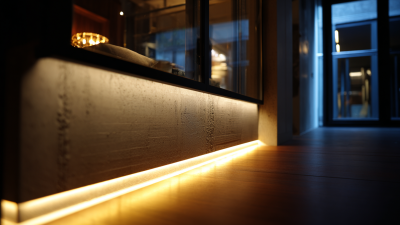
Installing LED channels can enhance the aesthetic of any space. Start by selecting the right location. Consider areas that benefit from indirect lighting. Under cabinets or along walls can create pleasing effects. Ensure your surfaces are clean. Dust and grease can prevent proper adhesion.
When it comes to installation, measuring is crucial. Accurate measurements will prevent misalignment of the LED strips. Cutting the channels requires a steady hand. Each cut should be precise to ensure a seamless look. Use a level for straight lines. Uneven installation can distract from the overall appearance.
Be mindful of power sources. Position your channels near outlets to avoid long cable runs. Too many wires can create clutter. Testing the lights before securing everything can save time. If an issue arises, it’s easier to fix before final installation. Also, consider heat dissipation. Leaving space around the channels allows for better airflow, prolonging the lifespan of the LEDs. Attention to these details can elevate your project.