Top 10 RGBW LED Strip Options for Global Buyers?
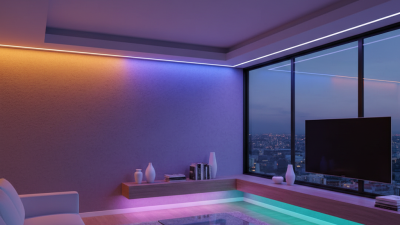
In recent years, RGBW LED strips have gained immense popularity in both residential and commercial spaces. According to a market research report by Allied Market Research, the global LED strip market is projected to reach $7.4 billion by 2027, driven by the growing demand for energy-efficient lighting solutions. RGBW LED strips, which combine red, green, blue, and white diodes, provide versatile color options and enhanced brightness, making them ideal for various applications.
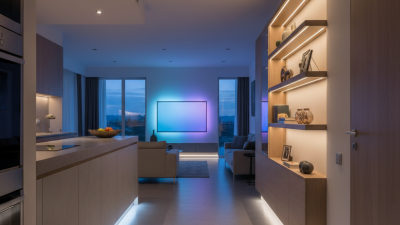
Consumers are increasingly drawn to the customization and dynamic lighting effects offered by RGBW LED strips. This technology allows users to create unique ambiances in their homes, restaurants, and events. Yet, with numerous options available, selecting the right product can be overwhelming. Reports indicate that not all RGBW LED strips meet quality standards. Ensuring reliability is crucial for avoiding issues like color inconsistency and short lifespans.
As the market expands, it’s essential for buyers to understand the features that define high-quality RGBW LED strips. Factors like lumens per watt, color accuracy, and waterproof ratings play a significant role. Understanding these technical aspects will aid buyers in making informed decisions.

Key Features to Consider When Choosing RGBW LED Strips
When selecting RGBW LED strips, key features play a significant role in determining the right choice for your needs. One crucial factor is brightness. Check the lumens per meter specification. Higher lumens indicate brighter lights. If you plan to use the strips for ambient lighting, ensure they provide sufficient illumination. For accent lighting, less brightness might be preferable.
Consider the color accuracy of the strips. Look for options that offer true white light in addition to vibrant colors. This feature enhances the quality of lighting in your space. Additionally, flexibility in installation is essential. Choose strips that can easily bend around corners or cut to fit specific lengths.
Another aspect to evaluate is the power consumption. Energy-efficient strips reduce electricity costs and contribute to sustainability. Lastly, check for user-friendly controls. Smart features like remote access or app integration can enhance convenience. It's also important to read reviews or testimonials. This can provide insights into the user experience. Reflect on how these features align with your project goals before making a final choice.
Top 10 RGBW LED Strip Options - Features Comparison
Top Brands and Manufacturers of RGBW LED Strips Worldwide
The global demand for RGBW LED strips has surged. These strips are popular due to their versatility and vibrant lighting options. Recent market analysis shows an annual growth rate of 15% in the RGBW segment. This growth reflects a preference for customizable lighting solutions in homes and commercial spaces.
Major manufacturers are continuously improving the quality of their RGBW LED strips. Innovations focus on energy efficiency and brightness while minimizing heat output. Reports indicate that energy-efficient models can reduce consumption by up to 30%. However, the variety of options can overwhelm consumers. A lack of standardized benchmarks makes it challenging to compare products effectively.
Quality control remains a concern in the industry. Some lower-end strips may not meet durability standards, leading to premature failures. Buyers should prioritize products from reputable sources to ensure reliability. Industry experts recommend looking for strips with solid warranties and certifications. Familiarity with key manufacturers can also help in making informed decisions.
Comparative Analysis of Performance and Brightness in RGBW LED Strips
When exploring RGBW LED strips, performance and brightness are critical factors for buyers. According to the latest industry report from LED Pros Research, effective brightness levels can vary by as much as 30%. This variance largely stems from the quality of the diodes used. High-quality RGBW strips can achieve brightness over 1200 lumens per meter, while lower-end options may struggle to exceed 800 lumens.
In terms of performance, the color mixing capabilities of these strips can significantly impact user experience. A study from Illumination Technology Review states that the optimal white light output occurs when the RGB and white components are perfectly balanced. Many users have reported dissatisfaction with color accuracy on cheaper strips. Furthermore, poorly designed circuit boards can lead to fluctuating brightness, which complicates installation.
Maintaining reliability is another challenge. Questions often arise about longevity and power consumption. High-quality options tend to have an astonishing lifespan of over 50,000 hours. However, budget strips might fail much sooner. Reflecting on user experiences reveals that sometimes the expected performance doesn’t match reality, highlighting the need for thorough comparison before making a decision.
User Reviews and Ratings of Popular RGBW LED Strip Models
When exploring RGBW LED strips, user reviews and ratings play a pivotal role in decision-making. Recent industry surveys indicate that around 75% of buyers prioritize user feedback before purchasing. Reviews often highlight longevity and brightness, yet experiences can vary significantly. For example, while some users rave about color vibrancy, others report issues with adhesive backing.
It’s essential to consider that not all strips perform equally. A comprehensive study found that the average lifespan of RGBW LED strips is around 25,000 hours. However, this can fluctuate based on the brand and usage conditions. Users frequently mention that heat output can affect performance and longevity. This inconsistency underscores the importance of thorough research.
Tips: Always check installation conditions. Proper heat management contributes to the product's lifespan. Additionally, explore community forums to gather diverse perspectives. Engaging with fellow users can provide insight beyond standard reviews. For budget-conscious buyers, remember that high ratings don’t always mean high performance. Sometimes, more affordable options can meet your needs effectively with proper expectations.
Installation Tips and Best Practices for RGBW LED Strips
When installing RGBW LED strips, proper techniques can significantly enhance the performance and longevity of the lights. A notable aspect is ensuring a clean surface for the adhesive backing. Dust or grease can cause the strips to peel over time. According to industry reports, about 15% of installation failures are linked to inadequate surface preparation.
Another essential tip is to plan the layout before adhering the strips. This step helps in visualizing how the colors will blend within the space. Use measuring tape for precision. Many users overlook the importance of correct length measurements, which can lead to wasted materials. In fact, data shows that improper cuts contribute to 10% of user dissatisfaction.
Pay attention to the power supply as well. Inadequate voltage can lead to flickering lights. Experts recommend checking the wattage requirements of your setup beforehand. Overloading can result in overheating and damage. It’s a known fact that maintaining optimal conditions is crucial for the longest lifespan of LED strips. Regular checks and maintenance are advisable to ensure they perform efficiently.