Top 10 LED Lighting Solutions for Energy Efficiency and Style?
In the realm of interior design, the right lighting can transform a space. LED lighting solutions play a crucial role in enhancing both aesthetics and energy efficiency. "LED lights are not just functional; they redefine style in any environment," says Dr. Michael Bright, a leading expert on sustainable lighting. This statement captures the essence of modern lighting trends.
The latest LED innovations offer incredible versatility. Homeowners now prioritize energy savings alongside design. Stylish fixtures can reduce electricity consumption significantly. Yet, many still overlook the importance of quality lighting solutions. Some choices may prioritize style over functionality, leading to dissatisfaction.
Exploring the top 10 LED lighting solutions reveals a blend of artistry and efficiency. Each option presents unique features. However, not all designs cater to every space. It is essential to reflect on individual needs. Finding the right balance between energy conservation and visual appeal requires careful consideration. Choose wisely, and your environment will thank you.
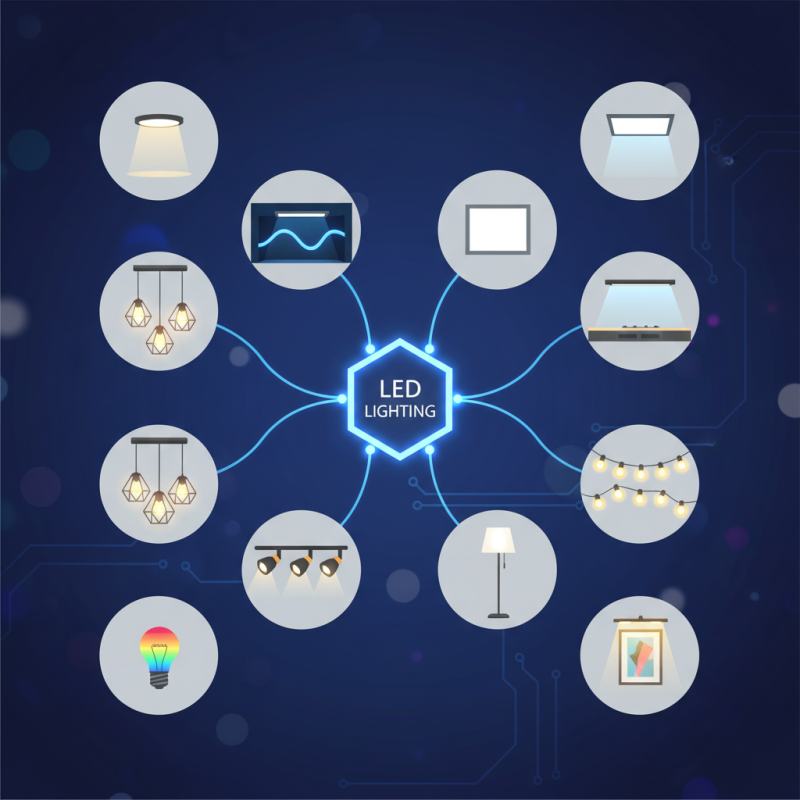
Benefits of LED Lighting in Energy Efficiency and Environmental Impact
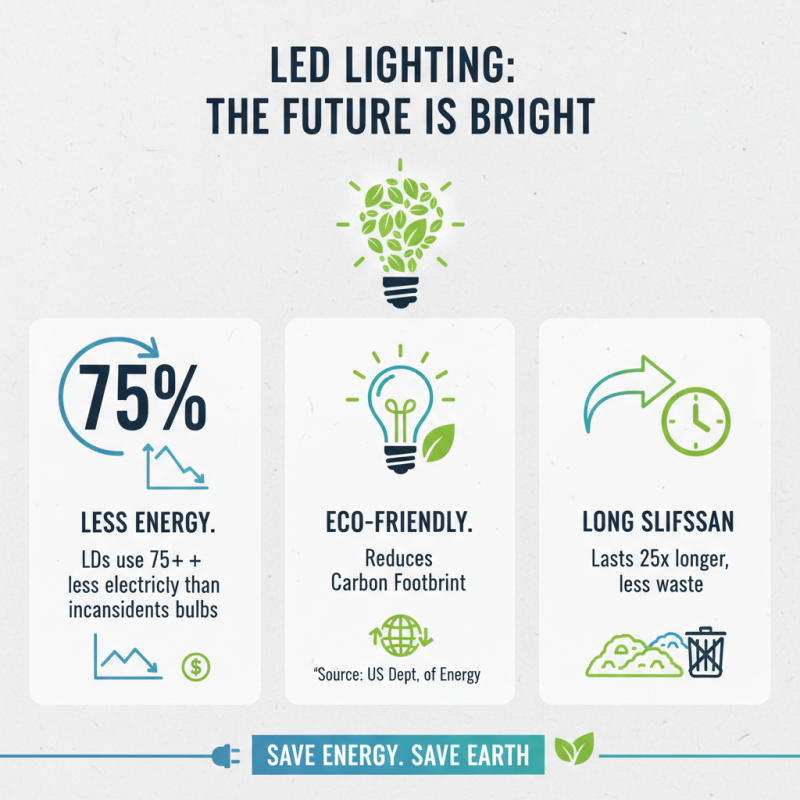
LED lighting has become a popular choice for energy efficiency and environmental sustainability. According to the U.S. Department of Energy, LED lights use at least 75% less energy than traditional incandescent bulbs. This makes them a game-changer in reducing energy consumption and carbon footprints. The long lifespan of LEDs also means fewer replacements, which contributes to less waste in landfills.
Many businesses and households switch to LEDs to save money. Reports indicate that transitioning to LED lighting can reduce energy bills by up to 80%. With rising energy costs, this is a significant benefit. Additionally, LED lights emit very little heat, reducing cooling costs in warmer climates. However, some may find the initial installation costs high and need to weigh long-term savings against short-term expenses.
**Tip:** When replacing old bulbs, look for ENERGY STAR-rated products. They provide superior efficiency and performance.
While LEDs are more efficient, challenges remain. Not everyone finds the light quality appealing. Some users report that the light can appear harsh or too bright. Experimenting with color temperatures may help find a balance.
**Tip:** Consider dimmable options. They offer flexibility and can enhance comfort.
Embracing LED technology offers a path to sustainability. However, understanding personal preferences is key to maximizing their benefits.
Top Characteristics Defining High-Quality LED Lighting Solutions
LED lighting solutions have rapidly gained popularity due to their energy efficiency and stylish designs. One significant characteristic of high-quality LED lights is their longevity. According to a report by the U.S. Department of Energy, LED lights can last about 25,000 to 50,000 hours. This lifespan dramatically reduces the need for frequent replacements, proving cost-effective over time.
Another defining feature is energy efficiency. High-quality LEDs use up to 80% less energy than incandescent bulbs. The same Department of Energy report highlights that efficient lighting can lower energy bills significantly. However, not all LED products have the same performance. Issues such as flickering or poor color rendering can detract from their benefits.
Finally, color temperature plays a crucial role in the quality of LED lighting. A range from 2700K to 6500K can create different atmospheres in various spaces. Yet, users often overlook the importance of choosing the right temperature. This oversight can lead to dissatisfaction in their lighting experience. Careful selection will enhance both ambiance and utility in any environment.
Comparative Analysis of LED vs. Traditional Lighting Energy Consumption
When evaluating energy consumption, the difference between LED and traditional lighting is striking. Traditional bulbs, like incandescents, waste significant energy in the form of heat. In contrast, LEDs convert a larger percentage of energy into light. For instance, while an incandescent bulb uses about 60 watts to produce 800 lumens, an LED achieves the same with only 10-20 watts. This efficiency leads to lower electricity bills and reduced environmental impact.
However, the initial cost of LED bulbs can be a barrier. Many consumers still opt for cheaper traditional options. Yet, the long-term savings from LEDs are undeniable. They last up to 25 times longer than standard bulbs. This longevity reduces waste and the need for frequent replacements. It's worth reflecting on the short-term savings versus long-term benefits. Transitioning to LED lighting not only enhances energy efficiency but also adds modern style to homes and businesses. Embracing this change may require a mindset shift for some.
Energy Consumption Comparison: LED vs. Traditional Lighting
Emerging Trends in LED Design: Aesthetic Advancements and Customization
Emerging trends in LED design are reshaping our spaces. Aesthetic advancements are driving more than just functional choices. The global LED market is expected to reach $100 billion by 2025, emphasizing this shift. Customization options are expanding, allowing consumers to tailor lighting to their needs. Designers now explore unique color temperatures and shapes. Innovative technologies, like tunable white and smart lighting, enhance the user experience and ambiance.
Here’s a tip: When selecting LED designs, consider the atmosphere you want to create. Warmer temperatures offer comfort, while cooler options are energizing. Experiment with fixtures to find a balance between style and functionality. It can be challenging to maintain this balance, yet it’s worthwhile.
Moreover, sustainability is front and center. Reports indicate LEDs can save up to 75% energy compared to traditional bulbs. Yet, many still overlook efficient disposal methods for old lights. This is an area ripe for improvement. Investing in eco-friendly options today can enhance both utility and style.
Key Industry Data on Long-Term Cost Savings of LED Lighting Solutions
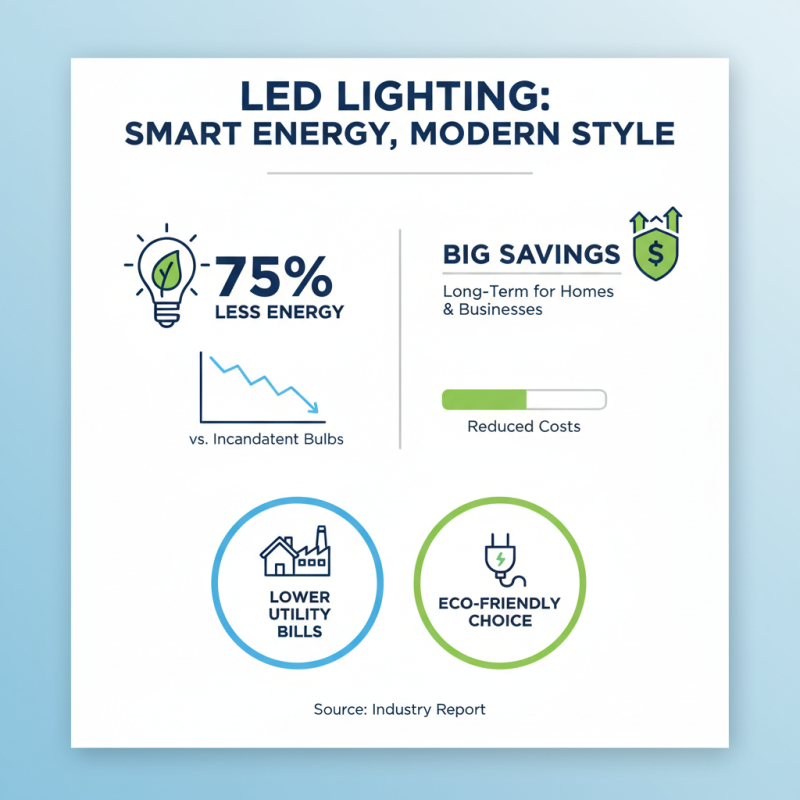
LED lighting stands out for its energy efficiency and modern aesthetics. A recent industry report indicates that LED bulbs use approximately 75% less energy than traditional incandescent bulbs. This significant reduction in energy consumption translates into substantial long-term savings for businesses and homeowners alike.
A typical household can save around $100 or more annually by switching to LED lighting. LEDs last up to 25 times longer than incandescent bulbs, reducing replacement costs. Investing in LED solutions can also enhance the ambiance of any space, adding both style and functionality. However, it's essential to be mindful of the initial investment. While LEDs are often pricier upfront, the longevity and efficiency yield solid returns over time.
Tips: Consider retrofitting existing fixtures rather than completely replacing them. This can lower initial costs while enjoying the benefits of LED lighting. Moreover, remember that not all LEDs are the same. It’s crucial to evaluate color temperature and brightness to suit your needs. Investing in the right LED solution enhances both utility and visual appeal in your space.