What is LED Lights and How Do They Work for Buyers?
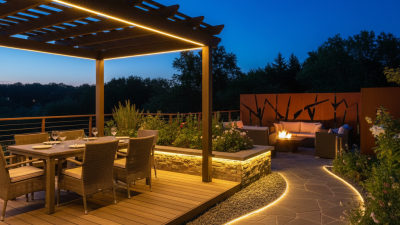
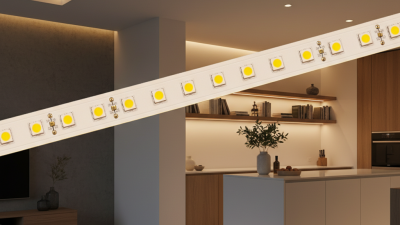
LED lights have revolutionized the way we illuminate our spaces. They are not just energy-efficient but also highly versatile. Understanding how LED lights work is essential for making informed purchasing decisions. Their compact design allows for innovative placements in various settings, from homes to offices.
These lights use a semiconductor, which emits light when electricity flows through it. This technology contributes to their longevity and low energy use. However, many buyers are still unaware of the different types and applications of LED lights. Recognizing these differences can lead to better choices.
In the vast market of lighting solutions, consumers face challenges. Misleading claims and technical jargon often cloud their understanding. It’s crucial to reflect on what truly matters—efficiency, lifespan, and suitability for specific needs. This guide aims to clarify the complexities around LED lights and empower buyers to make thoughtful selections.
What are LED Lights?
LED lights, or Light Emitting Diodes, are a modern lighting solution that operates differently from traditional bulbs. These lights use a semiconductor to convert electricity into light. When an electric current passes through the semiconductor, it emits photons, resulting in visible light. This technology offers several advantages over incandescent and fluorescent options, such as greater energy efficiency and longer lifespans. According to a report from the U.S. Department of Energy, LED lights use at least 75% less energy and last 25 times longer than traditional incandescent bulbs.
However, not all LED lights are created equal. Quality can vary significantly between manufacturers. Buyers should look for products that have been rigorously tested for performance and longevity. Checking for certifications from organizations like ENERGY STAR ensures that the lights meet high standards. In some cases, color quality may also differ, which can affect how a room looks.
Tips: When choosing LED lights, consider the color temperature. Warm white light (around 2700K) feels cozy, while cool white (5000K) is more energizing. Additionally, be aware of the lumens rating, which indicates brightness. It's not always about wattage; a higher lumen count equates to more light. Always review user experiences, as they can highlight potential concerns or benefits.
The Science Behind LED Technology
LED lights, or Light Emitting Diodes, are revolutionizing the lighting industry. Their efficiency stems from electroluminescence, where electric current passes through a semiconductor material. This causes electrons to recombine with holes, releasing energy in the form of light. According to the U.S. Department of Energy, LED lighting uses at least 75% less energy than incandescent bulbs. This translates not only to lower utility bills for consumers but also to reduced carbon footprints.
The science behind LED technology is fascinating. The typical lifespan of an LED is around 25,000 hours or more, compared to approximately 1,000 hours for incandescent bulbs. This durability can lead to a significant reduction in waste. However, some LED lights can emit a harsh blue light, which may not be suitable for all environments. Studies suggest that excessive exposure to blue light can disrupt sleep patterns. Though LEDs offer numerous advantages, buyers must consider these potential drawbacks when making a choice.
Color temperature is another intriguing aspect. LEDs are available in various shades, ranging from warm yellow to cool blue. This flexibility allows consumers to create the desired ambiance. Industry reports highlight a growing preference for warmer tones in residential settings, which can enhance comfort and reduce eye strain. Choosing the right LED light involves balancing energy efficiency with personal comfort and style.
Advantages of Using LED Lights
LED lights have gained popularity due to their numerous advantages. These lights are energy-efficient, consuming up to 80% less power than traditional bulbs. This not only lowers electricity bills but also reduces carbon emissions. Many buyers are motivated by environmental concerns as they seek sustainable options for their homes.
Safety is another benefit of LED lights. They produce less heat, minimizing the risk of burns or fires. Traditional bulbs can be hot to touch, which poses a danger, especially in homes with children or pets. With LED lights, you can enjoy peace of mind knowing they're safer to use.
Tip: Consider using dimmable LED fixtures. This allows you to adjust brightness, creating the perfect ambiance for any occasion.
The lifespan of LED lights is impressive, lasting up to 25,000 hours. This means fewer replacements and less waste. However, it’s essential to think about the initial cost. While they may be pricier upfront, the long-term savings are considerable.
Tip: Look for energy efficiency labels when shopping. This ensures you choose products that align with your sustainability goals.
Adjusting your lighting to incorporate LEDs can improve both the environment and your budget. Balancing initial costs with potential savings is key in making informed choices.
Common Applications of LED Lighting
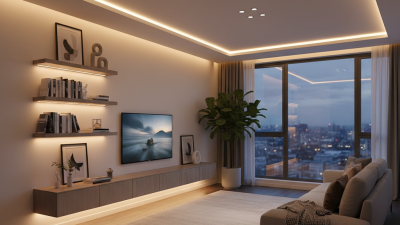
LED lighting has transformed various applications across multiple industries, thanks to its energy efficiency and longevity. According to the U.S. Department of Energy, LED lights use at least 75% less energy than incandescent lighting. This efficiency makes them ideal for residential, commercial, and industrial use. In homes, LEDs illuminate living spaces while reducing energy bills. In commercial settings, they enhance visibility and productivity, especially in office environments.
One surprising area is street lighting. Studies show that switching to LED street lights can cut energy costs by 50% or more. Cities that adopt this technology report significant decreases in maintenance costs, too. With LEDs lasting up to 25 times longer than traditional bulbs, this application showcases a sustainable model. However, not all installations meet performance expectations. Some older models may produce harsh lighting or flicker, necessitating careful selection and installation.
LEDs are also prominent in agriculture. They promote plant growth and can optimize energy use in greenhouses. Research shows that specific wavelengths improve crop yields. Nevertheless, fine-tuning light spectra to meet diverse plant needs can be complex. Understanding these challenges is crucial for successful implementation.
Tips for Choosing the Right LED Lights
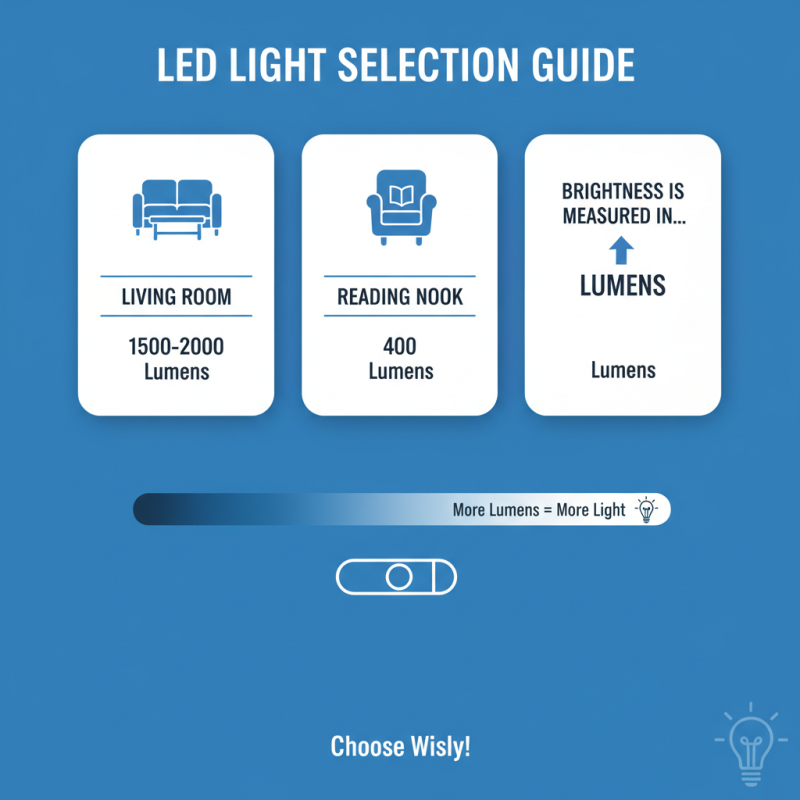
Choosing the right LED lights can be a tricky process. Start by considering the brightness needed for your space. Brightness is measured in lumens. Higher lumens mean more light output. For a living room, around 1,500 to 2,000 lumens is ideal. For a reading nook, you might want about 400 lumens.
Next, pay attention to the color temperature. LED lights come in various shades, from warm whites to cool blues. Warm whites are cozy and inviting. Cool whites are energizing and focused. Think about the atmosphere you want to create.
Finally, check the energy efficiency rating. Energy-efficient bulbs save you money over time. Look for products with a higher efficiency rating. Remember, not every LED is made equally. Conduct research and read reviews to find reliable options. It can feel overwhelming, but taking these steps will guide you in making an informed choice.