Top 10 Tips for Choosing the Best LED Lights for Your Needs?
Choosing the right LED lights can be challenging. With various types and features available, it's essential to make informed decisions. LED lights offer energy efficiency, longevity, and brightness. However, selecting the best options requires careful consideration of your specific needs.
When looking for LED lights, think about where you will use them. Different environments may require different brightness levels or color temperatures. Pay attention to the wattage and lumens ratings. These numbers indicate how much energy the light consumes and how bright it will be.
Additionally, consider the color rendering index (CRI). This rating impacts how accurately colors appear under the light. A higher CRI means better color accuracy. Keep in mind that not all LEDs are created equal. Some may not perform as well as claimed. Always research brands and look for reliable reviews. Your choices matter, and understanding these factors can lead to satisfactory lighting solutions.
Understanding LED Light Types and Their Applications
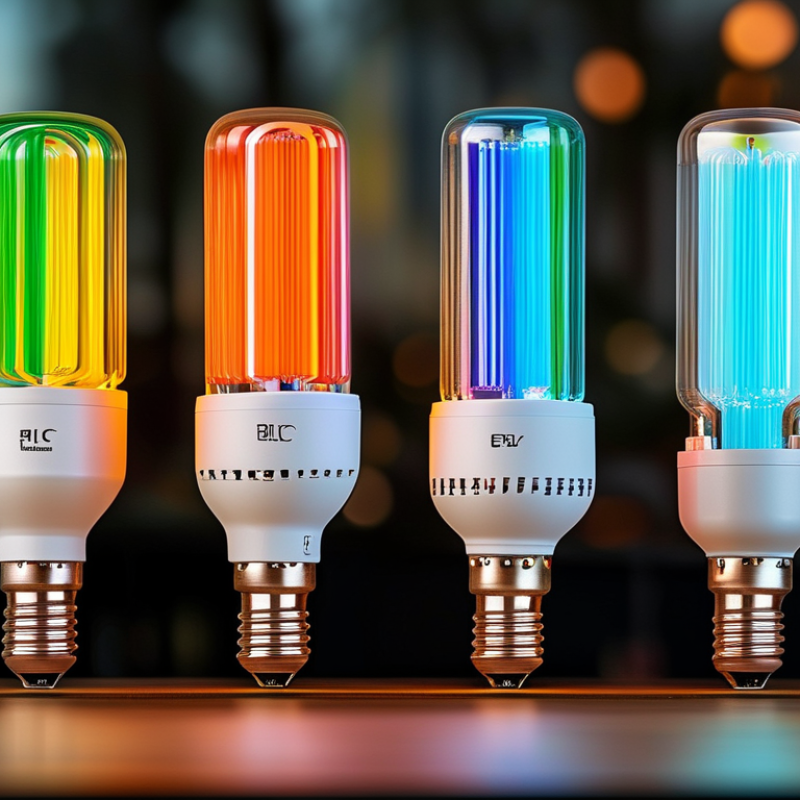
When choosing LED lights, understanding the various types is crucial. LED lights come in diverse forms, including standard bulbs, spotlights, and strips. Each type serves different functions. For instance, standard bulbs are ideal for general lighting. Meanwhile, spotlights focus on accenting specific areas. LED strips add versatility for decorative or functional tasks. According to the U.S. Department of Energy, LEDs use at least 75% less energy than incandescent lighting, making them a superior choice for energy efficiency.
Different LED lights have varying color temperatures. Measured in Kelvin, these temperatures influence mood and functionality. Warmer light (below 3000K) creates a comfortable atmosphere. Cooler lights (above 4000K) are more stimulating and enhance focus, suitable for workspaces. Data from the Lighting Research Center highlights that proper color temperature can improve productivity by up to 20%. Selecting the right color can be a bit challenging. Personal preference and specific needs play significant roles in that process.
Additionally, brightness is another essential factor in LED selection. The brightness of LED lights is measured in lumens. A higher lumen rating means a brighter light. This measurement can often be misleading, as some may assume wattage indicates brightness. Understanding these differences ensures educated choices. Many consumers may face difficulties when trying to balance aesthetic appeal and functionality. Selecting the best LED lights often requires trial and error. Personal experiences shape these decisions.
Evaluating Brightness and Color Temperature for Your Space
When considering LED lights for your space, evaluating brightness and color temperature is crucial. Brightness is measured in lumens. Higher lumens mean a brighter light, while lower lumens provide a softer glow. For cozy spaces like living rooms, you might prefer around 1,500–3,000 lumens. Workspaces may require more light, perhaps 4,000 lumens or more. Always consider the specific needs of each room.
Color temperature, measured in Kelvin, impacts the mood and functionality of your space. A lower temperature, around 2700K, emits a warm, inviting glow suitable for relaxation. In contrast, higher temperatures like 5000K imitate daylight, ideal for tasks requiring focus and clarity. Be aware that not every light can replicate natural light perfectly. Sometimes, achieving the right atmosphere might involve mixing different temperatures. Experimenting can provide better insight into what works best for you. Balancing brightness and color temperature is not always clear-cut, and it may require some adjustment. Consider your space's decor and purpose to find that sweet spot.
Assessing Energy Efficiency and Lifespan of LED Lights
When choosing LED lights, energy efficiency should be a primary concern. Understanding lumens versus watts can clarify brightness expectations. Higher lumens mean brighter light, while lower watts indicate more energy savings. Many consumers overlook this information when purchasing. Aim for LED bulbs that offer at least 80% energy savings compared to traditional bulbs.
The lifespan of LED lights is another crucial factor. Most LED bulbs last between 15,000 to 25,000 hours. This longevity means fewer replacements and less waste. Check the rated lifespan before buying. Some cheap options may promise high lumens but fail in durability.
Regarding energy efficiency, consider the bulb's energy star rating. This certification ensures verified performance and savings. Additionally, familiarize yourself with color temperatures. Warmer lights can create a cozy atmosphere, while cooler lights can enhance focus. It can be tricky to decide which is best for your space, so testing a few options might be helpful. Remember, not all LED lights will meet your specific needs, so weighing these factors is crucial.
Considering Design and Aesthetics for Your Lighting Needs
Lighting is not just about illumination; it’s also about enhancing your space. When choosing LED lights, consider how they fit into your overall design. Think of the mood you wish to create. Bright, white lights can energize a room while warm hues add coziness. Selecting the right color temperature can impact the ambiance significantly.
Visual harmony should guide your choices. Consider the size and style of your fixtures. Oversized lights may dominate a small room, while tiny fixtures can be lost in larger spaces. Balance is essential. Will the lights complement or clash with your existing decor? It’s a common pitfall to overlook this aspect, leading to a discordant environment.
Experimentation can reveal unexpected outcomes. Don’t hesitate to mix styles or colors but do so thoughtfully. A mismatch can detract from the overall aesthetic. Reflect on how the lighting interacts with furniture and wall colors. Gradual changes can produce more favorable results than drastic shifts. Lighting design is an iterative process that requires reflection and adjustment.
Top 10 Tips for Choosing the Best LED Lights for Your Needs
| Tip Number |
Tip |
Considerations |
| 1 |
Determine the Purpose |
Identify if it's for ambient, task, or accent lighting. |
| 2 |
Choose the Right Color Temperature |
Select warm white for cozy spaces and cool white for work areas. |
| 3 |
Check the Lumens |
Consider brightness levels required for different tasks. |
| 4 |
Energy Efficiency |
Look for ENERGY STAR ratings for energy-efficient models. |
| 5 |
Consider Dimming Options |
Check for compatibility with dimmers for adjustable brightness. |
| 6 |
Select Appropriate Fixtures |
Match fixtures with your overall design aesthetic. |
| 7 |
Evaluate Lifespan |
Prioritize bulbs with longer lifespans for better value. |
| 8 |
Review the Warranty |
Choose products with a solid warranty for protection. |
| 9 |
Assess Light Distribution |
Check beam angles for appropriate coverage in spaces. |
| 10 |
Incorporate Smart Technology |
Consider smart LED lights for convenience and control. |
Budgeting and Cost Analysis for LED Light Purchases
When budgeting for LED lights, consider the long-term savings. LEDs consume less energy, reducing your monthly bills. Calculate potential savings over time to determine the best options for your setup. The initial investment can be higher, but efficiency pays off.
Analyze your needs carefully. Identify areas that require bright lighting and those that can use softer lights. This helps in choosing the right type of LED. If you’re only lighting a small area, you might not need high-wattage options. Compact options can suffice and save money.
Evaluate the available features. Dimmable lights might seem more expensive but could enhance the ambiance in the long run. Compare prices from different sources. Don’t hesitate to look for discounts or bulk purchase options. Every dollar counts. Budgeting might reveal areas to optimize; consider whether you need smart features or simply effective lighting.
Top 10 Tips for Choosing the Best LED Lights for Your Needs