Top 10 Tips for Choosing the Best LED Tape Light for Your Needs?
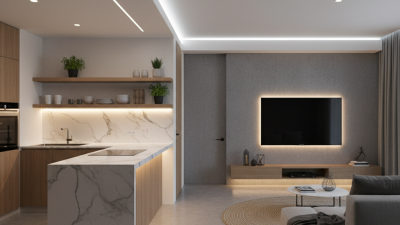
The rise of LED tape light in residential and commercial applications is remarkable. According to a report by MarketsandMarkets, the global LED lighting market is projected to reach $158.8 billion by 2026, largely driven by the popularity of innovative products like LED tape lights. This flexible lighting solution is favored for its versatility, energy efficiency, and ease of installation.
When selecting the right LED tape light, understanding your specific needs is critical. Factors such as brightness, color temperature, and adhesive quality significantly influence overall satisfaction. A poorly chosen LED tape light can lead to disappointment, impacting both aesthetics and functionality. It's vital to consider details such as length, waterproof ratings, and compatibility with dimmers.
In a landscape filled with options, informed consumers can make better decisions. However, the abundance of choices can feel overwhelming. Balancing cost, quality, and features requires careful consideration. By exploring expert recommendations and user reviews, you will find the LED tape light that truly meets your specific requirements.
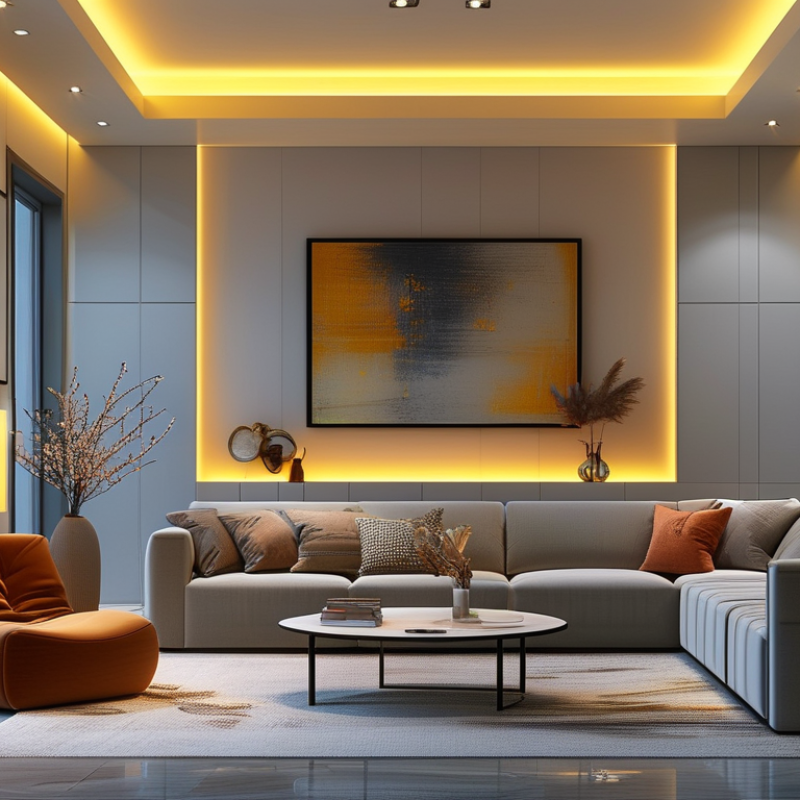
Understanding LED Tape Light Types and Their Applications
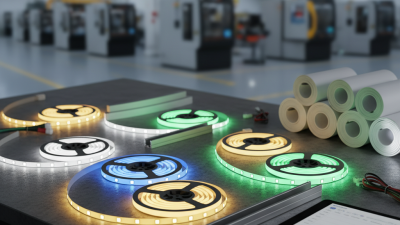
When selecting LED tape lights, understanding the different types available is crucial. There are various options suited for specific applications. For instance, RGB LED tape lights allow users to customize colors for ambiance, making them perfect for living spaces. In contrast, warm white or cool white options provide a more traditional lighting feel, suitable for tasks and workspaces.
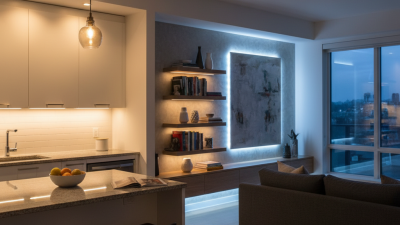
Another key aspect is the flexibility of tape lights. Some are designed for indoor use, ideal for accent lighting in homes. Others are rated for outdoor use, which withstand moisture and temperature changes. While choosing, think about where you will install the lights.
Pay attention to brightness levels as well. Some LED tape lights emit a soft glow, ideal for mood lighting, while others offer high lumens for more functional illumination. When purchasing, take note of the power source as well. Battery-operated versions offer versatility, but require regular changes. On the other hand, plug-in options might pose limitations in placement. Understanding these features can help tailor your choice to your specific needs, ensuring satisfaction with your purchase.
Evaluating Brightness and Color Temperature for Different Spaces
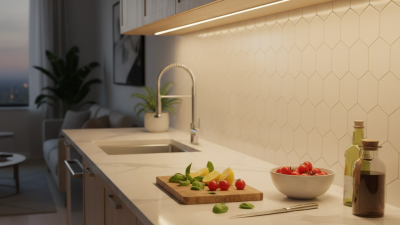
When selecting LED tape lights, brightness and color temperature play critical roles. Brightness, measured in lumens, affects how well a space is illuminated. For intimate settings like bedrooms, softer lights around 3000K are often preferred. In contrast, kitchens or workspaces may require a cooler light, around 4000K to 5000K, to enhance visibility and focus. Pay attention to how these temperatures can influence mood and productivity.
Consider the purpose of the space. Warm lights create a cozy atmosphere, ideal for relaxation. However, they can hinder productivity in work environments. On the flip side, bright white lights may feel harsh in living areas but beneficial for tasks. It’s essential to reflect on feelings associated with different spaces. Experimentation with various temperatures can lead to the perfect combination that suits both practicality and aesthetic appeal. Don’t hesitate to make adjustments based on your unique experiences. The right LED tape light evolves with your needs and enhances your living environment.
Assessing LED Tape Light Energy Efficiency and Lifespan
When considering LED tape lights, energy efficiency is paramount. Recent studies indicate that LED lights are about 80% more efficient than traditional incandescent bulbs. This means reduced energy bills and a smaller carbon footprint. Moreover, most LED tape lights have a lifespan of over 25,000 hours. This durability translates to less frequent replacements, which can save you time and money.
Notably, energy efficiency ratings can vary significantly. A report by the U.S. Department of Energy highlights the importance of checking for actual lumen output. A product might advertise low wattage, yet deliver inadequate brightness. It's essential to balance energy consumption with performance. Selecting options with Energy Star certification can help ensure you're making a choice that meets high efficiency standards.
While LED tape lights have numerous advantages, there can be trade-offs. Some users report issues with color consistency over time. Additionally, cheaper models may flicker or have poor dimming capabilities. It’s crucial to do thorough research and read customer reviews before making a purchase. Your decisions should not only cater to aesthetics but also prioritize energy efficiency and lifespan.
Choosing the Right Adhesive and Installation Method for Your Project
When selecting LED tape lights, the choice of adhesive and installation method is crucial. Many users overlook the importance of adhesive quality. Research indicates that over 30% of tape lights fail due to improper adhesion. A reliable adhesive ensures longevity and effectiveness. Consider the surface material where the tape will be applied. For example, rough surfaces may require specialized adhesives for better bonding.
Installation methods also play a significant role. While some may opt for peel-and-stick options, this method can sometimes lead to peeling over time. A survey by the Lighting Research Center found that 45% of users preferred mounting clips for added stability. These clips provide extra security and can easily be repositioned if needed. Moreover, the choice of installation method may vary based on the environment. Areas exposed to humidity or temperature fluctuations may require more robust solutions, such as silicone adhesive or mounting brackets.
Ultimately, understanding your project's specific needs is essential. Evaluating the adhesive type and installation approach is not just about convenience. It’s about ensuring a long-lasting solution. Ensuring that your LED tape lights perform optimally often involves trial and error. Reflecting on previous installation experiences can be valuable for future projects.
Top 10 Tips for Choosing the Best LED Tape Light for Your Needs
Exploring Additional Features and Accessories for Enhanced Functionality
When selecting LED tape lights, additional features can greatly enhance functionality. Consider color temperature options. Some LED tapes offer warm, cool, and adjustable white light. This flexibility allows you to create the perfect mood in any space. Moreover, integrated dimmers can provide control over brightness levels. This feature is crucial for setting different atmospheres based on time or occasion.
Another valuable aspect is the availability of smart control options. Many modern LED tapes can connect to your Wi-Fi or Bluetooth devices. This can be a game-changer for ease of use. You can program your lights to change colors or dim from your smartphone. Intuitive apps simplify the process of customization.
Don't overlook accessories that improve installation. Connectors and mounting clips ensure your tape lights fit perfectly. Specialized connectors can aid in navigating corners or unique layouts. While it may seem simple, ensuring a proper installation directly impacts performance. Testing the setup before finalizing is wise. This way, you avoid future installation headaches. Think through your choices carefully to get the most out of your LED tape lights.
Top 10 Tips for Choosing the Best LED Tape Light for Your Needs
| Tip |
Description |
Additional Features |
Recommended Accessories |
| 1. Determine Brightness Needs |
Assess the lumens needed for your space. |
Dimmable options |
Dimmer switch |
| 2. Choose the Right Color Temperature |
Select from warm white to cool white based on ambiance. |
RGB options |
Remote control |
| 3. Length and Flexibility |
Measure the area to ensure proper fit. |
Cuttable strips |
Connector clips |
| 4. Voltage and Power Source |
Check compatibility with your existing setup. |
Low-voltage options |
Power supply adapter |
| 5. Adhesive Quality |
Ensure strong adhesion for installation. |
Weather-resistant adhesive |
Mounting brackets |
| 6. Brightness Control |
Consider features that allow brightness adjustments. |
Smart lighting integration |
Mobile app |
| 7. Waterproof Ratings |
Select waterproof options for outdoor use. |
IP67 rating |
Sealing kits |
| 8. Lifespan and Warranty |
Look for products with a long lifespan and good warranty. |
Energy-efficient options |
Extended warranty plans |
| 9. Compatibility with Smart Home Systems |
Consider integration with existing devices. |
Voice control options |
Smart hubs |
| 10. Budget Considerations |
Evaluate your budget for both products and installation. |
Cost-effective options |
DIY installation tools |