How to Choose the Right 24v LED Strip for Your Project?
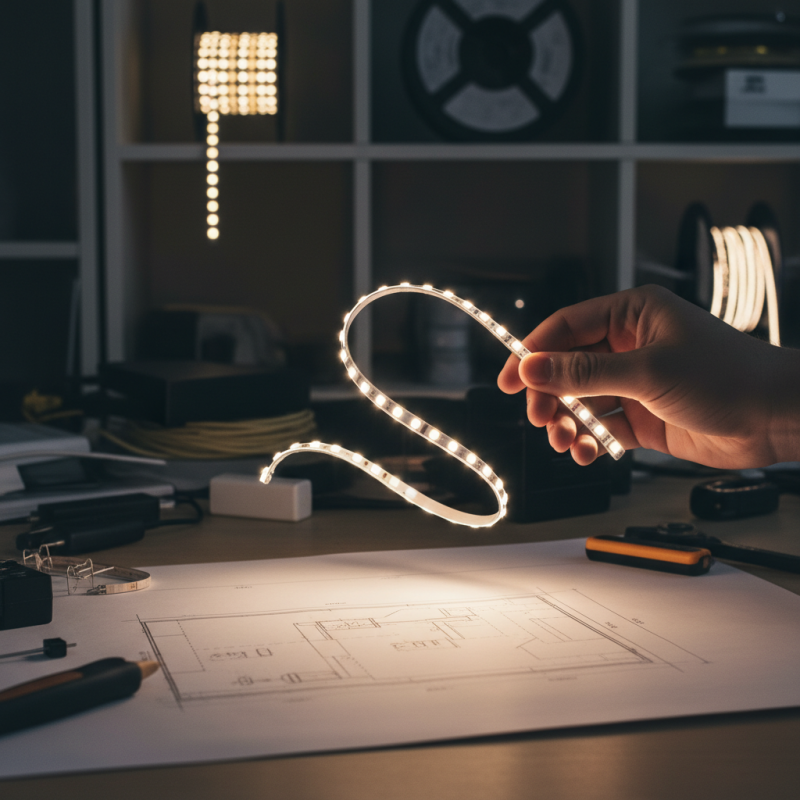
Choosing the right 24v LED strip can be challenging. Many options exist, each catering to different needs. You need to consider brightness, color, and length for your project.
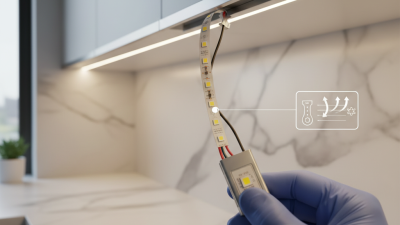
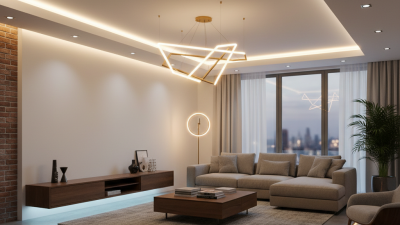
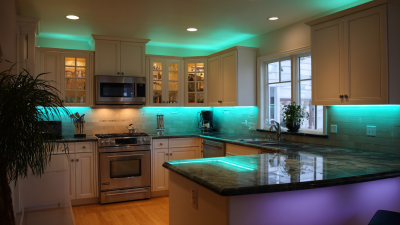
A well-chosen 24v LED strip enhances your space. It can create ambiance or provide task lighting. Think about where you'll install it. Indoor use requires different qualities than outdoor use. Water-resistant strips may be essential for exterior applications.
Don't rush your decision. Take time to evaluate your options. If you feel overwhelmed, it's perfectly normal. Mistakes can happen, like choosing the wrong brightness. Reflecting on your project's goals can help avoid confusion. A thoughtful choice leads to better outcomes.
Understanding LED Strip Voltage and Its Importance
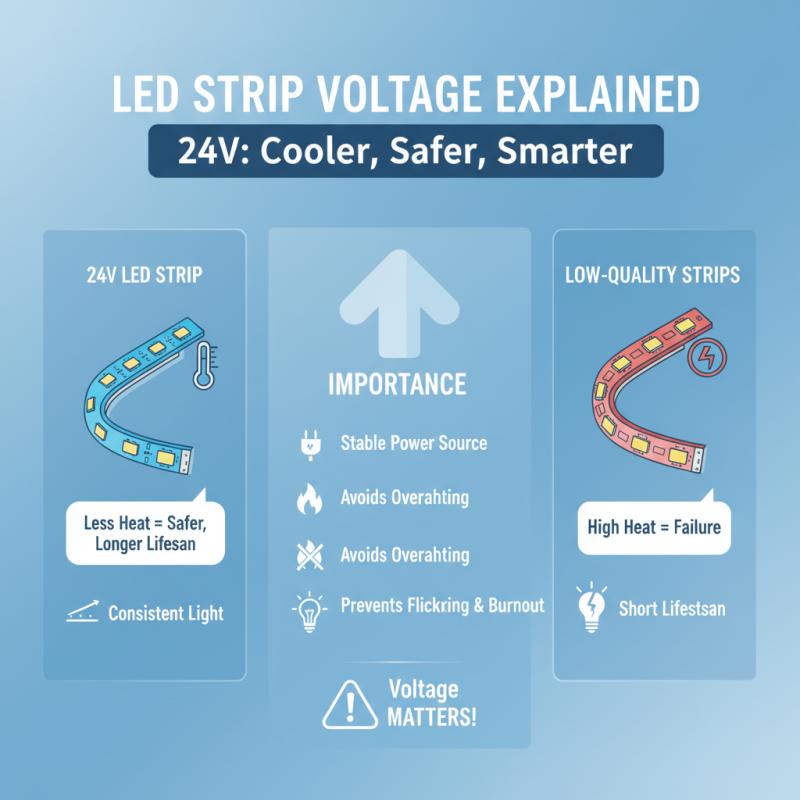
When it comes to LED strips, voltage matters significantly. A 24v LED strip requires a consistent power source for optimal performance. Unlike lower voltage strips, the 24v option tends to produce less heat, making it safer for prolonged use. Low-quality strips can fail under high temperatures. Therefore, understanding power voltage is crucial to avoiding common issues like flickering lights or burnout.
In projects needing long runs of LEDs, 24v strips are advantageous. They maintain brightness over greater distances compared to 12v strips, reducing the need for multiple power supplies. However, this does not mean that all 24v LED strips are equal. Users can encounter poorly made strips that do not deliver reliable results. By examining specifications and quality factors, you can avoid these pitfalls. Compatibility with the intended power supply is another consideration that should not be overlooked.
Always keep in mind the difference between wattage and voltage. Both play a role in your choice. A higher wattage strip might be brighter, but it can also draw more power. This could lead to issues with your existing infrastructure. Consider the space where the strip will be installed. Ensure that it fits well within your project parameters. By assessing these factors, you can select the suitable 24v LED strip for your needs.
Identifying Your Project Requirements and Specifications
Choosing the right 24v LED strip starts with understanding your project's needs. Consider the space where you'll install the strip. Is it indoor or outdoor? Each environment has different demands. The amount of light also matters. A bright workspace requires a high lumen output, while ambient lighting needs are different.
Next, think about the colors and effects you want. RGB LED strips allow for color changes and moods. If you seek a single color, the choice becomes easier. Reflect on how often you’ll change the settings. A project that calls for frequent adjustments might require easy installation and adaptability.
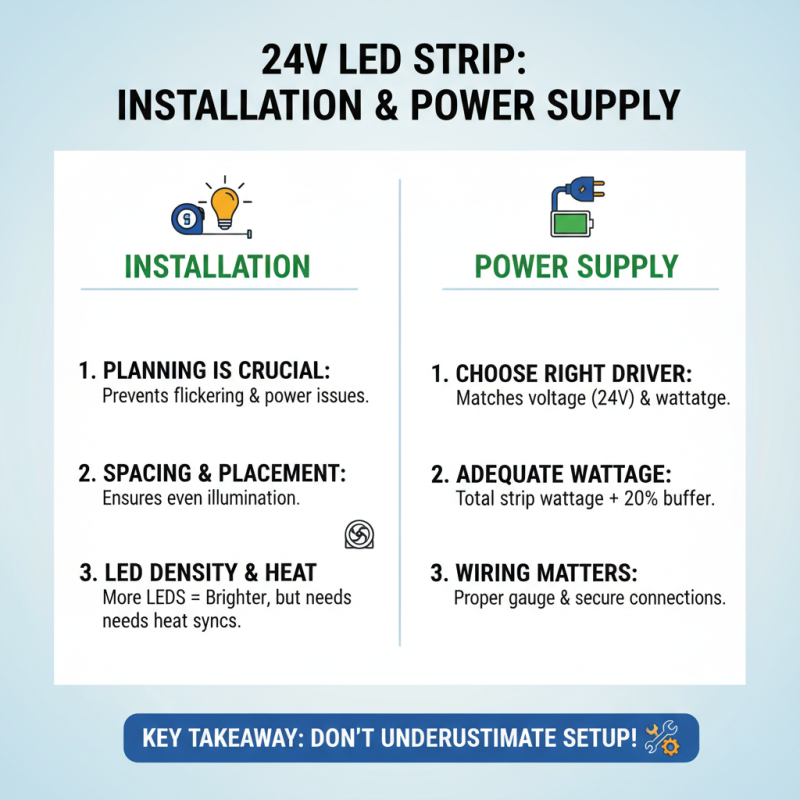
Lastly, consider the power consumption. A 24v strip is generally efficient, but not all strips are equal. Check the wattage per meter and how this fits with your power supply. It's wise to think about future needs. Sometimes, the perfect strip today might not suffice later. Balancing immediate requirements with potential changes can lead to regrets down the line.
Evaluating Different Types of 24v LED Strips Available
When evaluating different types of 24v LED strips, it’s essential to consider their intended use. For example, some strips are designed for indoor use, while others are resistant to moisture and suitable for outdoor applications. Indoor strips often feature a warm color temperature, providing cozy ambiance. However, outdoor strips are typically brighter and more durable.
Another aspect to consider is the strip’s brightness, measured in lumens. If your project requires vibrant light, look for higher lumen ratings. Dimmer strips can be useful for subtle lighting. Additionally, check the LED density. A higher LED density will yield a more uniform light output.
Be aware of the power consumption as well. While 24v strips use less power than their lower voltage counterparts, the total wattage still matters. You might think you only need a few meters, but longer runs could cause dimming due to voltage drop. It’s a common oversight. Don't forget to think about the installation process as well. Some strips are easier to work with than others.
Assessing Brightness, Color, and Dimming Options
When choosing a 24V LED strip, brightness is crucial. Look for strips measured in lumens. Higher lumens mean brighter light. For instance, a strip with 1000 lumens is suitable for task lighting. A lower-output strip may work for ambient light. Know the purpose of your project. Will it illuminate a workspace or create a cozy atmosphere?
Color is another vital factor. LED strips come in various colors, including warm white, cool white, and RGB. Think about the mood you want to create. Warm white promotes relaxation, while cool white is energizing. RGB strips allow for diverse color options, but can be overwhelming. Picking the right color can enhance your project significantly.
Lastly, consider dimming options. Not all strips support dimming. Check if the strip you choose is compatible with dimmers. This flexibility can improve functionality. A dimmable strip adapts to various settings. However, dimming features may increase complexity. Understand what suits your needs before making a final decision.
Brightness and Color Temperature of 24V LED Strips
This chart illustrates the brightness (measured in lumens) and color temperature (measured in Kelvin) of different types of 24V LED strips. A proper understanding of these parameters is essential for selecting the right LED strip for your project.