How to Choose the Best LED Channel for Your Project?
Choosing the right LED channel for your project can significantly impact its overall success. The market for LED lighting is expected to grow at a CAGR of 13.5% from 2021 to 2029, reaching USD 105.5 billion by the end of the forecast period. This emphasizes the importance of selecting the most suitable components for maximizing efficiency and performance. Proper LED channels not only enhance lighting distribution but also ensure better heat dissipation.
When evaluating LED channels, consider the materials and designs available. Aluminum channels are popular for their durability and effective thermal management. However, the choice should also reflect the specific needs of your project, from aesthetic preferences to spatial constraints. Poorly selected LED channels can lead to inefficiencies. Not every design fits every application, and it’s essential to reflect on previous projects and learn from any missteps.
Industry reports suggest that consumers value quality over price. High-quality LED channels might come at a premium, but they often result in longer product lifespans and lower maintenance costs. As you navigate this selection process, ensure you consult reliable resources and gather insights from experienced professionals in the field. The right LED channel can make a world of difference.
Understanding Different Types of LED Channels and Their Applications
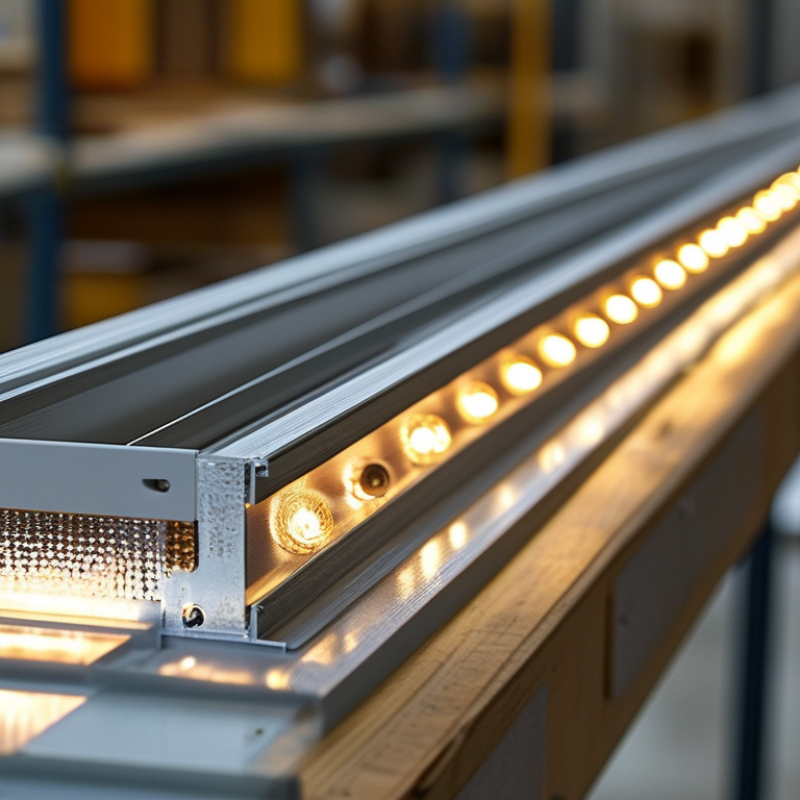
When selecting LED channels, it's crucial to understand their types and applications. There are various categories, including surface-mounted, recessed, and corner channels. Surface-mounted options offer ease of installation. They typically provide a bright, direct illumination which is perfect for task lighting. However, their design may not fit all aesthetic needs, making it essential to consider style.
Recessed LED channels provide a sleek, integrated look. They fit into walls or ceilings, creating a clean line of light. This type works well in modern spaces. Yet, installation can be more complicated, needing skilled labor. Corner channels can brighten tight spaces effectively, transforming dark nooks into inviting areas. They may require careful measurements to ensure a snug fit.
Each type of LED channel has advantages and drawbacks. The decision should align with your specific project requirements. Understanding the nuances helps avoid costly mistakes. Investing time in research pays off with a more refined outcome. It's a balance of performance and design that often needs reconsideration during the project.
LED Channel Types and Their Popularity
Factors to Consider When Selecting LED Channels for Your Project
When selecting LED channels for your project, it's essential to consider several factors. The size and shape of the space where the LEDs will be installed can significantly influence your choice. For instance, narrow channels work well in tight areas, while wider options suit larger installations. Different types of channels also provide various light diffusion effects. A project requiring high illumination may need channels that maximize brightness without creating hotspots.
Another important factor is the material of the channel. Aluminum channels offer durability and excellent heat dissipation. They can enhance the lifespan of your LED lights. On the other hand, plastic channels might be lighter and easier to install but may not withstand harsh conditions. It's vital to assess the environmental conditions where your channel will be used. If your project is in a humid or outdoor environment, choosing channels that offer good weather resistance is crucial.
Lastly, compatibility with your LED strips is a key consideration. Not all channels fit every LED strip. The width, height, and type of the LED strip should align with the channel specifications. It's not uncommon to find mismatches that lead to installation headaches. Careful planning and selection can prevent such issues from arising. Take your time to research and evaluate each option thoroughly.
Evaluating Brightness, Size, and Shape of LED Channels
When selecting LED channels for your project, assessing brightness is crucial. Brightness is usually measured in lumens. Reports suggest that brighter LEDs, typically above 700 lumens per foot, are ideal for applications like task lighting. However, using too bright a channel can cause glare. It's wise to balance brightness with comfort to ensure a pleasant atmosphere.
Size and shape also influence the effectiveness of LED channels. The width and height of the channel can affect light distribution. Narrow channels may create a focused beam, while wider ones diffuse light over a larger area. Industry studies indicate that 60% of users prefer customizable sizes to fit unique designs. This flexibility is essential for achieving the desired aesthetic without compromising on light quality.
Reflect on your project's specific requirements. Do you need soft ambient light or focused task lighting? The answer dictates channel choice. Understanding the interplay of brightness and dimensions will lead you to the most effective LED solution. Always consider the final impact of your selection on both functionality and design.
Exploring Material Options for Durability and Aesthetics
When selecting the best LED channel for your project, consider the materials used.
Aluminum channels are popular for their heat dissipation properties. This is crucial for maintaining LED efficiency. Acrylic solutions offer a pleasing aesthetic. They can diffuse light softly, creating a warm ambiance. However, they may not be as durable as metal options.
Thinking about the environment is also essential. Corrosion-resistant materials ensure longevity, especially in outdoor installations. Anodized finishes on aluminum provide extra protection against the elements. For indoor settings, wood or plastic channels can add a unique touch. Yet, these materials might be prone to wear over time.
Carefully weigh the benefits of each option. A durable choice can save you the hassle of frequent replacements. Balancing aesthetic appeal and functionality is key. Reflect on your project's requirements. The right material will enhance the design while providing reliability.
Installation Techniques for Optimal LED Channel Performance
When selecting LED channels, installation plays a crucial role. The right techniques can significantly enhance their performance. Proper mounting ensures even light distribution and minimizes bright spots or dark areas. Secure the channel with appropriate adhesives or screws for stability. Misalignment during installation can lead to inconsistent lighting.
Another key aspect is ensuring proper ventilation. LED channels can generate heat, affecting their lifespan and efficiency. Leave space for airflow around the channels. It might feel tedious, but measuring these spaces accurately is essential for long-term performance. Consider using thermal pads to aid heat dissipation.
Consider the basics of your installation environment. Indoor and outdoor settings have different requirements. Indoor installations can focus on aesthetics, while outdoor setups should prioritize weather resistance. Reflect on these factors during planning. A well-thought-out installation may require additional time, but it leads to superior results.