Top 10 Best 12V LED Lights for Global Buyers?
Choosing the right 12v led lights requires more than comparing brightness or counting diodes. Global buyers must consider voltage stability, heat control, beam spread, waterproofing, and connector quality. A light that performs well inside a kitchen cabinet may fail on a fishing boat or an exposed vehicle.
Lighting engineer James R. Benya has said, “Light is the most important element in architecture.” This idea also applies to compact 12v led lights. Their color temperature can change the mood of a room, while their beam angle affects visibility and glare. Warm white light may suit bedrooms and lounges. Cool white light often works better in workshops, retail displays, and outdoor service areas.
Small details matter.
This guide reviews ten strong options for international buyers. Each product deserves attention for brightness, power consumption, CRI, IP protection, wiring design, and installation flexibility. We also consider compatibility with batteries, adapters, caravans, boats, trucks, and solar systems. A listed “12V” product may not behave identically at 11V or 14.4V. That difference can shorten its lifespan or reduce output.
Some ratings are easy to misunderstand. Waterproof claims may cover the lamp body, not the connector. A low wattage figure may also mean weaker illumination. These are practical concerns, not technical decoration. Our selection process combines manufacturer specifications, real-use considerations, and common installation mistakes. It is not perfect, because performance changes across environments. Still, it offers a clearer starting point for buyers seeking safe, efficient, and dependable 12v led lights worldwide.
What 12V LED Lights Are and How They Work
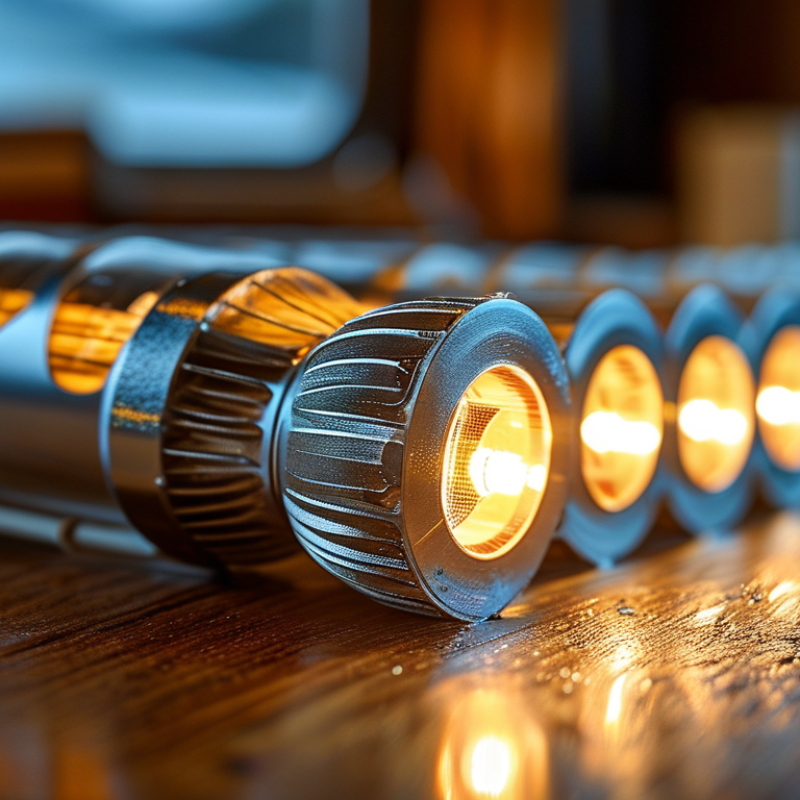
A 12V LED light uses light-emitting diodes to convert electrical current into visible light. Unlike incandescent bulbs, LEDs do not heat a wire until it glows. A semiconductor releases photons when current passes through its junction. The 12V label describes the operating system, not the light source itself.
Most 12V LED products include resistors or constant-current drivers. These components control current and protect the diode from damage. In a vehicle, boat, or solar system, the supply may fluctuate above or below 12V. Voltage drop also matters. A long, thin cable can make a lamp appear dimmer at the far end. It is easy to overlook.
Efficiency is a major reason global buyers compare 12V LEDs. The U.S. Department of Energy reports that residential LEDs use at least 75% less energy and last up to 25 times longer than incandescent lamps. The International Energy Agency identifies LED technology as the most efficient mainstream lighting option. Actual results still depend on heat control, driver quality, optics, and operating temperature. Laboratory figures can disappoint in dusty outdoor conditions. I would check measured lumens, watts, color temperature, and beam angle together. A 12V lamp producing 800 lumens at 8 watts may suit a workbench, while a narrow 300-lumen model may better illuminate a cabinet. Look for clear polarity markings, suitable connectors, and an appropriate ingress-protection rating. Low voltage is safer to handle, but poor wiring can still create heat.
Top 10 Best 12V LED Lights for Global Buyers
What 12V LED Lights Are and How They Work
A 12V LED light is designed to operate from a nominal 12-volt DC power source, such as a battery, solar system, or regulated power supply. The chart shows the theoretical operating current for common power ratings, calculated with the electrical relationship: current (A) = power (W) ÷ voltage (V). Actual current may vary slightly because of driver efficiency, voltage fluctuation, and temperature.
Key Criteria for Comparing 12V LED Lights Worldwide
Top 10 Best 12V LED Lights for Global Buyers?
When comparing 12V LED lights worldwide, start with electrical compatibility. Confirm whether the product requires 12V DC or accepts a wider voltage range. A stable driver reduces flicker and protects the light from voltage changes. Check polarity, connector type, cable length, and power consumption before ordering. Regional wiring practices differ, even for low-voltage systems.
Brightness needs more than a lumen number. Review lumens per watt, beam angle, color temperature, and color rendering index. A 3,000K light can feel warmer in a bedroom, while 5,000K often suits work areas. Narrow beams create focused pools; wide beams spread softer illumination.
I once chose a brighter lamp that produced harsh shadows. The specification looked excellent, but the room felt uncomfortable.
Heat management strongly affects service life. Look for aluminum housings, ventilation design, and stated operating temperatures. For outdoor use, verify the IP rating and inspect the seal around connectors. Dimming compatibility also matters, because some drivers buzz or flicker with unsuitable controls. Ask for photometric data, test reports, warranty terms, and safety compliance documents relevant to the destination market. Claims of 50,000 hours deserve caution; real performance depends on heat, duty cycle, and installation quality. Packaging should protect lenses and terminals during long transport. Small details matter.
Top 10 12V LED Light Options for Different Applications
A 12V LED light can serve a camper, retail shelf, boat cabin, garden path, or emergency workspace. The best choice depends on application, not appearance. The ten practical options include flexible strip lights, rigid cabinet bars, recessed downlights, puck lights, floodlights, spotlights, marine-grade fixtures, reading lamps, work lights, and solar-compatible modules.
For narrow shelves, choose strip lights with high color rendering and aluminum channels for cooling. Puck lights suit cabinets and display cases. Recessed downlights create cleaner ceilings, while floodlights cover driveways and outdoor work areas. Spotlights concentrate beams on signs or equipment. Marine fixtures need sealed housings and corrosion-resistant materials. Work lights should resist vibration and accidental impact. A reading lamp needs low glare. Solar systems require efficient drivers and stable current control.
The U.S. Department of Energy reports that efficient LED products can exceed 100 lumens per watt, although real performance varies with optics and heat. IEA analysis places lighting near 15% of global electricity consumption, making efficiency a practical purchasing concern. Check 12V DC compatibility carefully. Some products accept 12V AC, but not all. Long strip runs may suffer voltage drop, causing darker ends. Keep wiring short, select the correct fuse, and verify IP ratings for damp locations. I often see buyers compare wattage alone. That is a weak method. Lumens, beam angle, color temperature, driver quality, and thermal design matter more. A lower-cost light may look attractive, but early flicker changes the calculation.
Top 10 Best 12V LED Lights for Global Buyers? - Top 10 12V LED Light Options for Different Applications
Note: The specifications shown are typical industry ranges for 12V DC LED lighting products. Actual performance depends on LED efficiency, optical design, thermal management, wiring, driver quality and installation conditions.
Safety, Compatibility, and Certification Requirements
Top 10 Best 12V LED Lights for Global Buyers?
Safety, Compatibility, and Certification Requirements
A reliable 12V LED light must match the correct direct-current power supply. Check the label. Polarity matters. Reversed connections can damage some lights or create unsafe wiring conditions. Confirm the lamp’s wattage, current draw, connector type, and dimming method before installation. A 12V adapter rated below the required load may overheat. Leave reasonable capacity for continuous operation.
Voltage drop is easy to overlook, especially with long cables in vehicles, boats, cabinets, or outdoor displays. Measure voltage at the light, not only at the power source. Use suitable wire sizes, secure terminals, and an appropriately rated fuse near the supply. Moisture protection also matters. An IP rating should fit the actual environment, while sealed connectors help prevent corrosion.
Certification requirements differ by destination and product category. Buyers may need evidence of electrical safety, electromagnetic compatibility, restricted substances, and low-voltage compliance. Common documents can include test reports, declarations of conformity, and certification records from recognized laboratories. Do not trust a printed mark alone. Verify the certificate, model number, voltage range, and issuing organization. Regional marks are not automatically interchangeable. A product approved for one market may still require additional assessment elsewhere. No checklist is perfect. Recheck the installation after several hours, watching for hot connectors, flickering, unusual odor, or loose wiring.
How to Choose, Install, and Maintain 12V LED Lights
Choosing the right 12V LED light starts with the power system, not the appearance.
Confirm whether your vehicle, boat, cabinet, or solar battery provides stable 12V power. Some systems vary between 11V and 14.4V. Select lights designed for that range. Check brightness in lumens, color temperature, beam angle, and power consumption. For damp areas, an appropriate IP rating matters. A warm white light suits living spaces, while neutral white improves work visibility.
Installation should be careful and practical.
Disconnect the battery before touching any wires. Match positive and negative connections correctly. Use a fuse near the power source, and select wire thickness according to the current and cable length. Thin wires may become warm during extended use. Secure cables away from sharp metal edges, moving parts, and heat.
My first small installation looked neat, but I underestimated cable movement and had to reroute it later. Leave room for service.
Test the light for flickering, unusual heat, and loose connections after installation.
Inspect terminals every few months, especially in vehicles or marine environments. Clean the lens with a soft, dry cloth. Avoid harsh chemicals. If brightness drops, check the battery, fuse, connectors, and voltage before replacing the light. A multimeter is useful here. It reveals problems that eyesight cannot.
I once blamed the lamp, but a corroded connector caused the fault. Good maintenance is sometimes less impressive than buying new equipment.