Discover the Benefits of Red Light Devices for Your Health?
Red light therapy has gained attention in recent years for its potential health benefits. Many professionals in the wellness industry highlight the effectiveness of Red Light Devices. According to a report by the National Library of Medicine, studies reveal that red light therapy can stimulate cellular repair and reduce inflammation. These benefits have attracted both researchers and consumers alike.
Users often report improvements in skin health, reduced pain, and better recovery times. A survey by the Global Wellness Institute shows that more than 50% of users experience noticeable positive changes within weeks of using a Red Light Device. Such statistics reinforce the credibility of this technology.
Despite its growing popularity, not all results are the same. Variations in device quality and user consistency can affect outcomes. Understanding these nuances is crucial for maximizing benefits. As with any health-related technology, informed usage plays a key role in achieving desired results.
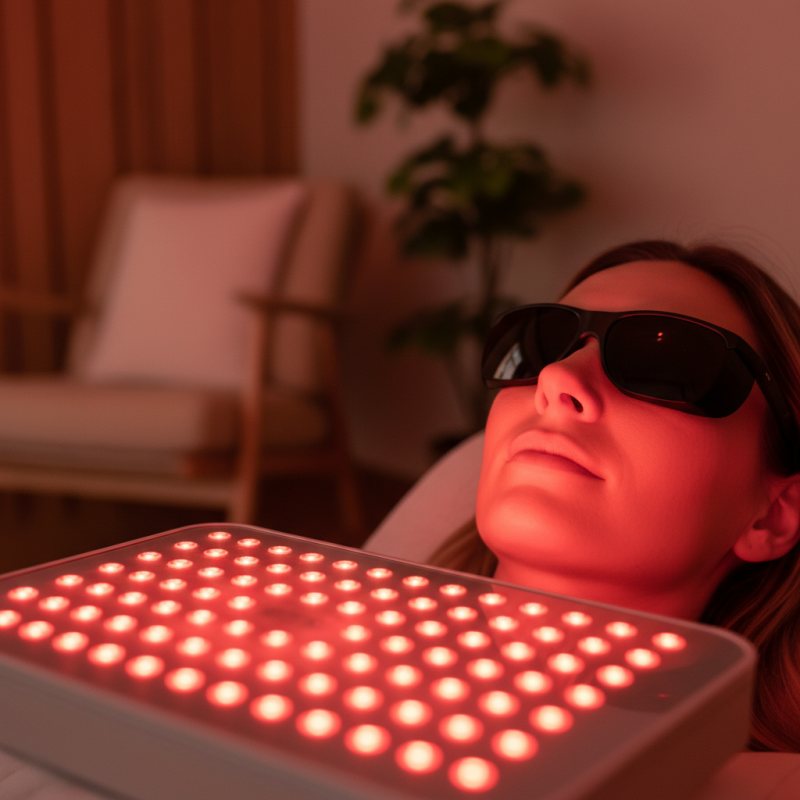
Understanding Red Light Therapy and Its Mechanism of Action
Red light therapy, often abbreviated as RLT, is gaining attention for its potential health benefits. This therapy uses specific wavelengths of light to stimulate various biological processes. When red and near-infrared light penetrates the skin, it can enhance cellular functions. This includes increased energy production in cells through ATP synthesis.
Researchers suggest that red light can improve skin health by enhancing collagen production. This can lead to healthier, more youthful-looking skin. Additionally, studies indicate it may help with muscle recovery and reduce inflammation. Athletes are often intrigued by its potential to speed up healing from injuries. The exact mechanisms are still being studied, but the results are promising.
Despite these benefits, some people may experience minimal effects. Not everyone responds the same way to RLT. Individual differences can influence outcomes, raising questions about its reliability. Understanding personal goals and expectations is crucial. Exploring these therapies through informed choices can lead to an insightful journey into personal wellness.
Discover the Benefits of Red Light Devices for Your Health
| Benefit | Mechanism of Action | Applications |
| Reduces Inflammation | Stimulates cellular repair and reduces oxidative stress | Sports injuries, joint pain, arthritis |
| Enhances Skin Health | Boosts collagen production and improves circulation | Anti-aging, acne treatment, scar reduction |
| Promotes Muscle Recovery | Enhances ATP production leading to faster recovery | Exercise recovery, muscle soreness |
| Improves Mood | Stimulates the release of endorphins | Mood disorders, seasonal affective disorder (SAD) |
| Supports Hair Growth | Stimulates hair follicles and improves blood flow to the scalp | Alopecia, thinning hair |
Exploring the Health Benefits of Red Light Devices for Skin Care
Red light therapy is gaining attention for its potential benefits in skin care. By using specific wavelengths of light, these devices stimulate cellular activity. This process may promote healing and rejuvenation. Many users have reported improvements in skin texture and tone. These devices could help reduce fine lines and wrinkles, offering a more youthful appearance.
Tips: Start with short sessions. Limit the exposure time to avoid skin irritation. Gradually increase the duration as your skin adjusts. Consistency is key; incorporating the treatment into your routine can yield better results.
Some people may experience initial discomfort. It's essential to listen to your body and adjust accordingly. Monitor how your skin reacts to the therapy. While most find the benefits outweigh the cons, personal experiences can vary. Not everyone will achieve the same level of improvement. Identify what works best for you and consult a professional if needed.
Enhancing Muscle Recovery and Performance with Red Light Therapy
Red light therapy has gained popularity for its potential benefits in muscle recovery and performance. This innovative treatment utilizes specific wavelengths of light to stimulate cellular processes. Athletes are increasingly adopting it for faster recovery post-training. Enhanced blood flow and decreased inflammation are two key benefits.
During a session, red light penetrates the skin, encouraging ATP production. ATP, or adenosine triphosphate, is essential for energy transfer in cells. This energy boost can lead to improved performance in the gym or on the field. Notably, the therapy is non-invasive, which makes it a safe option for many.
**Tips for Effective Use:**
Choose a quiet space for your sessions. Aim for consistency—use the therapy several times a week for the best results. Be mindful; too much exposure can lead to skin sensitivity. Some users notice minimal effects initially. This doesn’t mean it’s ineffective, as adaptations take time. Listen to your body and adjust your routine accordingly.
Benefits of Red Light Therapy on Muscle Recovery and Performance
Red light therapy has been shown to significantly enhance muscle recovery time and improve overall performance. The chart above illustrates the average muscle recovery time before and after therapy, as well as the percentage increase in performance witnessed by users.
Investigating the Effects of Red Light on Mood and Sleep Quality
The intriguing effects of red light therapy on mood and sleep quality are gaining attention. Studies show that exposure to red light can stimulate the pineal gland. This, in turn, enhances melatonin production. A well-regarded study found that individuals using red light devices experienced a significant improvement in sleep duration and quality.
Research by the International Journal of Environmental Research and Public Health indicates that just 20 minutes of red light exposure can elevate serotonin levels. Higher serotonin levels often translate to improved mood and emotional well-being. However, not everyone reacts the same way to this therapy. Individual factors like age, health conditions, and lifestyle play a crucial role.
Despite promising results, some experts highlight the need for caution. Not all red light devices are created equal. Users should consult health professionals for guidance. This ensures they are selecting safe and effective options tailored to their needs. Overall, while red light therapy shows potential benefits, a personalized approach remains essential for optimal outcomes.
Safety Considerations and Best Practices for Using Red Light Devices
Red light devices have gained attention for their potential health benefits, but safety is crucial for effective use. Proper eye protection is essential when utilizing these devices. The bright light can potentially cause damage if not used correctly. According to a study by the Journal of Clinical Medicine, overexposure to high-intensity light may lead to retinal harm. Therefore, ensure you follow recommended guidelines for distance and duration.
Another important consideration is skin sensitivity. Red light therapy can stimulate cellular processes, but some individuals may experience mild irritation. A clinical trial published in the Journal of Photomedicine and Laser Surgery found that skin types react differently to red light. Always test a small area of skin before full application. Tips for usage include keeping sessions short initially. Monitor your body's response during treatment. It’s also vital to maintain device cleanliness. Dirty equipment can diminish effectiveness.
When using red light devices, timing is key. Research in the International Journal of Molecular Sciences suggests that consistent, short sessions yield better results than occasional long treatments. Try to consider your routine. A regular schedule enhances benefits. Pay attention to your body's signals. If discomfort arises, adjust the treatment approach. These reflections help ensure a safe and effective experience with red light therapy.